Contents
If you notice staining, musty odors, warped flooring, or rising humidity, you may already have hidden water damage spreading behind walls or under surfaces. A same-day assessment lets you identify the source fast, measure moisture levels, and limit structural deterioration before it gets worse. It can also give you the documentation you need for insurance. The first hours matter more than you might think, and what happens next can change the repair scope entirely.
Key Takeaways
- A same-day assessment stops water damage before it spreads to framing, insulation, and drywall.
- It quickly identifies the source, moisture levels, and affected materials.
- Early action reduces repair costs by preventing hidden damage and secondary issues.
- Prompt documentation supports insurance claims and shows responsible response.
- It provides clear next steps, reducing stress and helping restore the home faster.
Signs of Hidden Water Damage
Have you noticed a musty odor, unexplained stains, warped flooring, or paint that’s starting to bubble? You’re likely seeing hidden water damage.
Check baseboards, ceiling corners, and under sinks for discoloration, swelling, or soft spots. Listen for dripping behind walls and feel for cool, damp surfaces that shouldn’t be wet.
When drywall crumbles or trim separates, moisture may be spreading inside the structure. Watch for peeling caulk, rusted fasteners, and recurring condensation around windows, too.
These signs can point to mold growth before you see visible spores. They can also weaken structural integrity if water keeps moving through framing or subfloors.
Trust your instincts and inspect early; you’re not overreacting when your home feels off.
Why You Need a Same-Day Assessment
A same-day assessment helps you stop water damage before it spreads into framing, insulation, drywall, and flooring. You get a fast read on moisture levels, source location, and affected materials, so you can choose preventative measures before hidden deterioration sets in.
That speed matters because every extra hour can raise drying costs and increase insurance implications if damage worsens after you’ve already noticed it. You also gain documentation that supports your claim and shows you acted responsibly.
When you respond quickly, you’re not just protecting your property; you’re joining the group of homeowners who manage damage with confidence, clarity, and control. A prompt assessment gives you practical next steps, reduces guesswork, and helps you move forward with less stress and more certainty.
When to Call for Emergency Water Damage Help
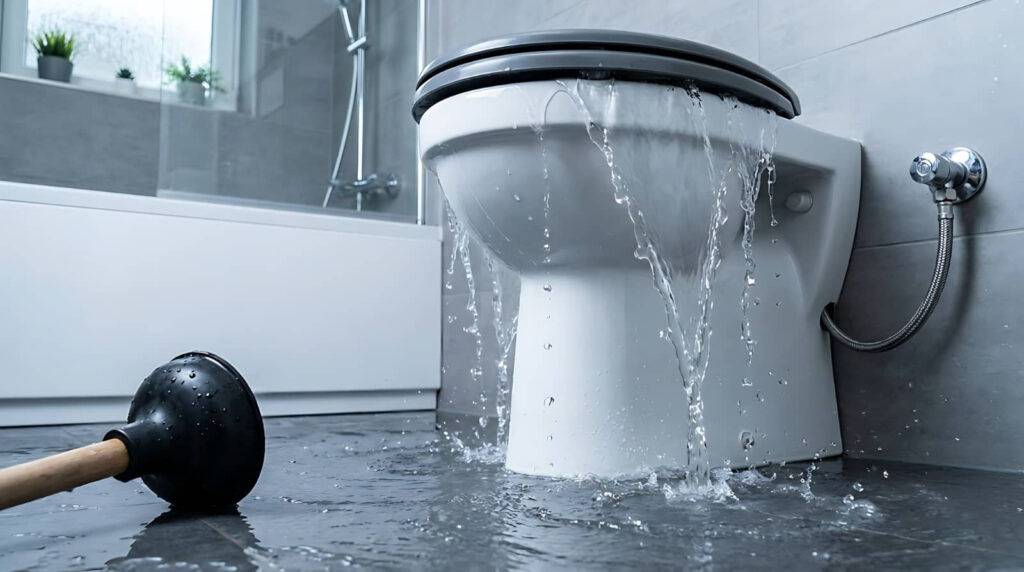
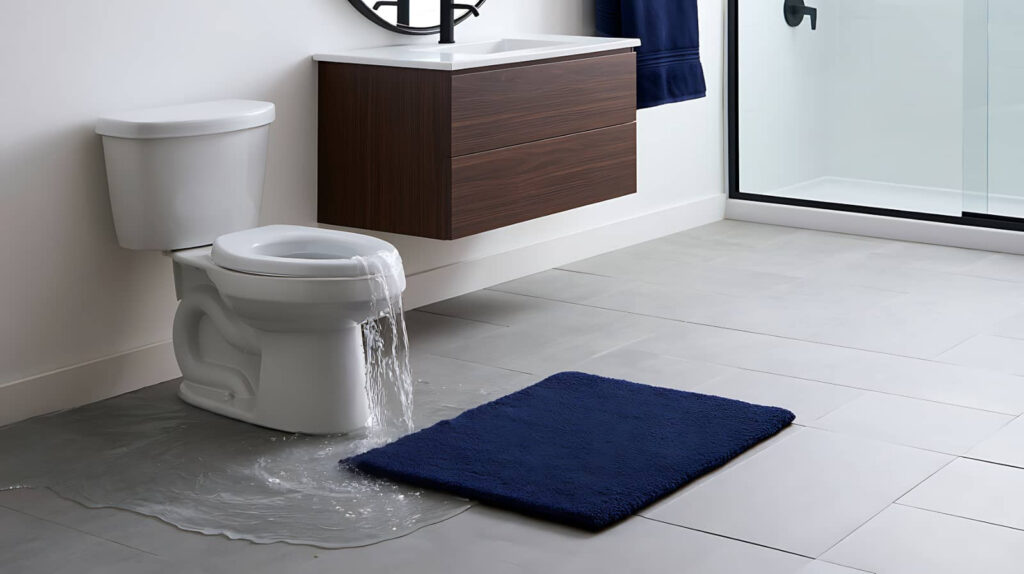
When water damage starts spreading, you need emergency help right away. Call for emergency response if water is actively flowing, has reached outlets or appliances, or is soaking ceilings, walls, or floors.
You should also act fast after sewage backup, storm intrusion, or a burst pipe, because delays can raise repair costs and health risks. If you notice sagging drywall, persistent dampness, or a strong musty smell, don’t wait.
Make quick actions: shut off the water if you can do it safely, move valuables, and keep everyone out of wet areas.
You’re not dealing with this alone; a same-day team can step in, stabilize the damage, and help you protect your home with confidence.
What a Water Damage Assessment Includes
During a water damage assessment, you’ll get a visual inspection of affected areas to identify visible staining, warping, and material damage.
You’ll also have moisture level testing to locate hidden dampness in walls, floors, and structural components.
From there, the technician will evaluate the repair scope so you know what needs drying, cleanup, restoration, and replacement.
Visual Damage Inspection
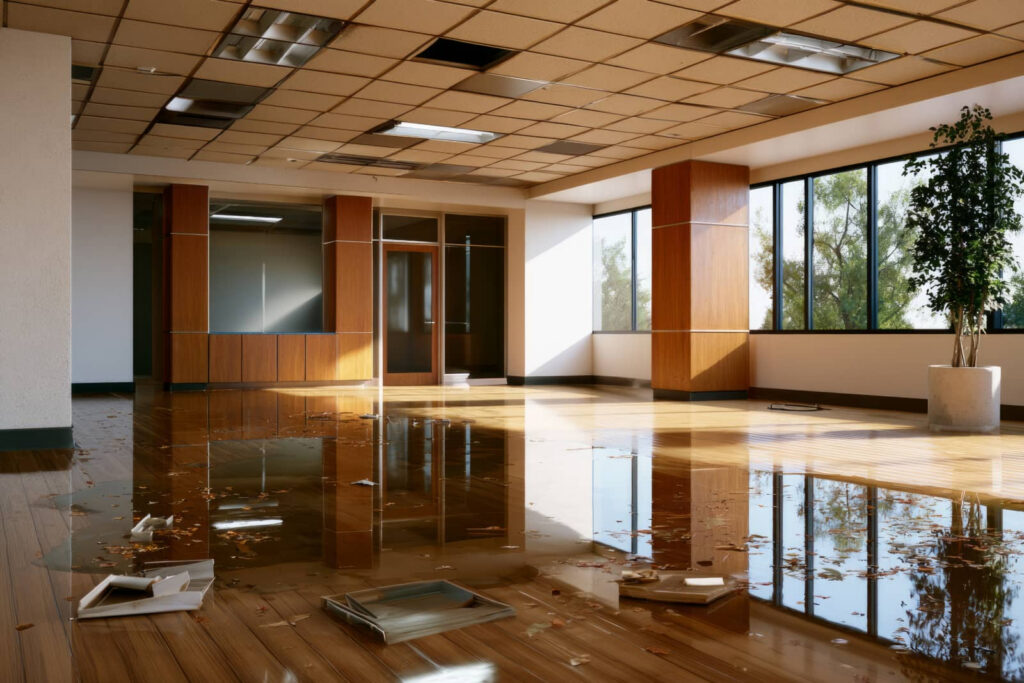
An assessor quickly inspects the visible signs of damage to map out how far water has spread and which materials are affected. You’ll see careful review of walls, ceilings, floors, trim, and contents, using visual indicators to identify swelling, staining, warping, and peeling finishes.
These assessment techniques help you understand what’s salvageable and what needs prompt action.
- Check surfaces for discoloration and bubbling.
- Note warped panels, seams, or baseboards.
- Document damaged belongings and structural touchpoints.
- Mark areas needing immediate containment or repair.
This inspection gives you a clear, shared starting point, so you’re not guessing alone. It helps your restoration team move fast, communicate well, and protect your space with confidence.
Moisture Level Testing
Moisture level testing pinpoints where water has soaked in, how far it has migrated, and which materials still hold hidden dampness.
You get a clear moisture mapping of walls, floors, baseboards, and other affected surfaces, so nothing important slips past unnoticed.
Using calibrated testing equipment, we measure moisture at the surface and below it, giving you data you can trust.
This process helps you understand what’s wet now and what may still be drying out after the visible damage looks minor.
It also supports a shared plan, so you’re not left guessing about the condition of your space.
With accurate readings, you stay informed, confident, and ready for the next step.
Repair Scope Evaluation
Once the moisture readings are complete, you get a repair scope that shows exactly which materials need cleaning, drying, removal, or replacement. You can then make fast, informed decisions with a team that understands your home and your priorities.
The scope also ranks tasks by urgency, so you know where damage prevention matters most and which repair techniques fit each area.
- Identify affected drywall, flooring, insulation, and trim.
- Separate salvageable materials from contaminated or weakened ones.
- Match each task to the right drying or repair method.
- Confirm a clear plan for sequencing work and limiting spread.
With this evaluation, you’re not guessing; you’re following a practical roadmap that helps restore your space safely, efficiently, and with confidence.
How a Same-Day Assessment Lowers Repair Costs
When you schedule a same-day water damage assessment, you give technicians a chance to stop the damage before it spreads, which usually lowers both repair scope and total cost.
You’ll often see cost savings because timely intervention limits absorption into drywall, flooring, and framing, so you don’t pay for wider demolition or deeper drying.
Technicians can spot hidden moisture early, helping you avoid secondary issues that drive bills up fast.
In your home, that means fewer materials removed, fewer labor hours, and less disruption for your family.
You’re not just reacting; you’re protecting your space with a practical plan that fits the urgency of the moment and keeps you connected to a team that understands what you’re facing.
What Happens After Your Assessment
After the assessment, technicians review their findings with you and outline the next steps based on the moisture levels, affected materials, and damage severity. You’ll get a clear plan that helps you feel informed, not overwhelmed, and it usually includes documentation for insurance claims, equipment placement, and drying priorities.
Your restoration timeline depends on how quickly moisture drops and whether structural materials need removal.
- Confirm affected areas and hidden moisture.
- Set up drying, extraction, and containment.
- Track progress with daily readings.
- Coordinate repairs and claim paperwork.
You stay part of the process, and your team explains each change so you know what’s happening and why. That shared approach keeps the work efficient, transparent, and focused on getting your space back to normal.
Frequently Asked Questions
How Long Does a Same-Day Water Damage Assessment Usually Take?
You can expect a same-day water damage assessment to take about 30 to 90 minutes, depending on damage size. During the assessment process, you’ll get a clear water damage timeline, practical next steps, and reassurance.
Can I Schedule an Assessment on Weekends or Holidays?
Yes—you can often schedule one. Last winter, a customer’s Saturday leak got help fast. You’ll want to confirm weekend availability and holiday scheduling with your provider, because response windows vary, but you’re not alone.
Do I Need to Leave My Home During the Assessment?
No, you usually don’t need to leave your home during the assessment. We’ll check assessment comfort and home safety, then work around you. If hazards exist, we’ll advise you to step out briefly.
Will My Insurance Cover the Assessment Cost?
Maybe—your insurance coverage often pays for the assessment, but policy details decide. You’ll uncover the assessment benefits fast: documentation, loss verification, and quicker claims. Ask your adjuster first, so you can belong in a smoother recovery.
Can Assessments Detect Mold Growth Behind Walls?
Yes, your assessment can detect mold growth behind walls through mold detection tools and a careful wall inspection. You’ll get clear findings, practical next steps, and reassurance that you’re not facing hidden damage alone.
Wrap-Up
Like a fire left to smolder, hidden water damage can spread fast and quietly. When you get a same-day assessment, you stop moisture from reaching framing, drywall, and insulation, and you give yourself a clear path forward. You also protect your insurance claim with timely documentation. Don’t wait for stains or smells to worsen—act now, and you’ll reduce repairs, limit disruption, and restore your home with less stress and lower cost.