Contents
When faced with a sewage spill, it’s essential to act swiftly and methodically to ensure safety and proper cleanup. From evaluating the situation to disinfecting affected areas, following the right steps can make all the difference. So, what should you do first when dealing with such a hazardous incident?
Key Takeaways
- Assess the spill area for hazards, contamination, and structural damage, documenting your findings for reference.
- Wear protective gear, ensure ventilation, and keep children and pets away from the contaminated zone.
- Identify and stop the source of the sewage leak by inspecting plumbing and drainage systems.
- Remove all contaminated materials, prioritizing porous items, while wearing protective equipment.
- Clean and disinfect affected surfaces with soap, water, and appropriate disinfectants, then properly dispose of waste.
Assess the Situation
Before you begin the cleanup process, it’s crucial to assess the situation thoroughly. Start by identifying the scope of the sewage spill and its immediate surroundings. Conduct a risk assessment to determine potential hazards, including exposure to pathogens and toxic substances. This step helps you understand the environmental impact and informs your cleanup strategy.
Next, evaluate the affected area for any structural damage or contamination. Check nearby water sources, soil, and vegetation for signs of spill spread. Document your findings, as this information will guide your decisions and actions moving forward.
Finally, consider the resources and personnel you’ll need for effective cleanup. Engaging trained professionals might be necessary, depending on the spill’s severity.
Ensure Safety Precautions
While you may feel ready to tackle the cleanup, ensuring safety precautions is essential to protect yourself and others during the process. Start by wearing appropriate safety gear, including gloves, masks, and protective eyewear. This gear minimizes exposure to harmful pathogens and chemicals often found in sewage, reducing potential health risks.
Before beginning, make sure the area is well-ventilated to dissipate any unpleasant odors and harmful gases. If the spill is extensive, consider using a respirator for added protection.
Remember to keep children and pets away from the contaminated zone to prevent accidental exposure. Have a first aid kit on hand, just in case, and know the signs of exposure to contaminants.
Stop the Source of Contamination
To effectively stop the source of contamination, you need to identify where the sewage is coming from.
Once you’ve pinpointed the source, shut off any relevant utilities to prevent further leakage.
Taking these steps quickly is essential for minimizing the impact of the spill.
Identify Contamination Source
Identifying the source of contamination is essential for effective sewage spill cleanup, as it ensures that the problem is addressed at its root.
Start by evaluating the area to determine the contamination types present—whether it’s raw sewage, greywater, or a mix. Use identification methods like visual inspection, odor detection, and even water testing to pinpoint the source.
Investigate plumbing fixtures, sewer lines, or drainage systems that may have failed. By accurately identifying the source, you can implement targeted measures to stop the contamination from spreading.
Shut Off Utilities
Once you’ve pinpointed the source of contamination, the next step is to shut off utilities to prevent further spillage. This is essential in effective utility management during a sewage spill.
Start by locating your main water and sewage valves, along with any relevant electrical switches. Following your emergency protocols, make sure all utilities are turned off to minimize health risks and further damage.
If you’re unsure about handling any utilities, don’t hesitate to contact professionals for assistance. Remember, safety comes first, and avoiding contact with contaminated areas is imperative.
Once utilities are secured, you can focus on cleanup efforts, confident that you’ve taken essential steps to control the situation. Your proactive actions help maintain a safe environment for everyone involved.
Remove Contaminated Materials
Begin by carefully evaluating the area affected by the sewage spill to identify all contaminated materials that need removal.
Conduct a thorough contamination assessment to determine which items can be salvaged and which must go. Wear protective gear such as gloves, masks, and goggles to ensure your safety throughout this process.
Next, remove all porous materials, such as carpets, upholstery, and drywall, as these can harbor harmful pathogens. Dispose of them securely, following local regulations.
Non-porous items like plastic or metal can often be cleaned but should still be assessed for contamination.
If you encounter any hazardous materials or substances, consider calling professionals who specialize in sewage cleanup. Their expertise can help mitigate risks you might overlook.
Clean and Disinfect Affected Areas
Start the cleaning process by thoroughly washing all affected surfaces with soap and water to remove any visible debris and contaminants.
Once you’ve cleared the area, it’s time to focus on disinfecting surfaces. Use a suitable disinfectant that’s effective against pathogens commonly found in sewage spills. Follow the manufacturer’s instructions on dilution and application for the best results.
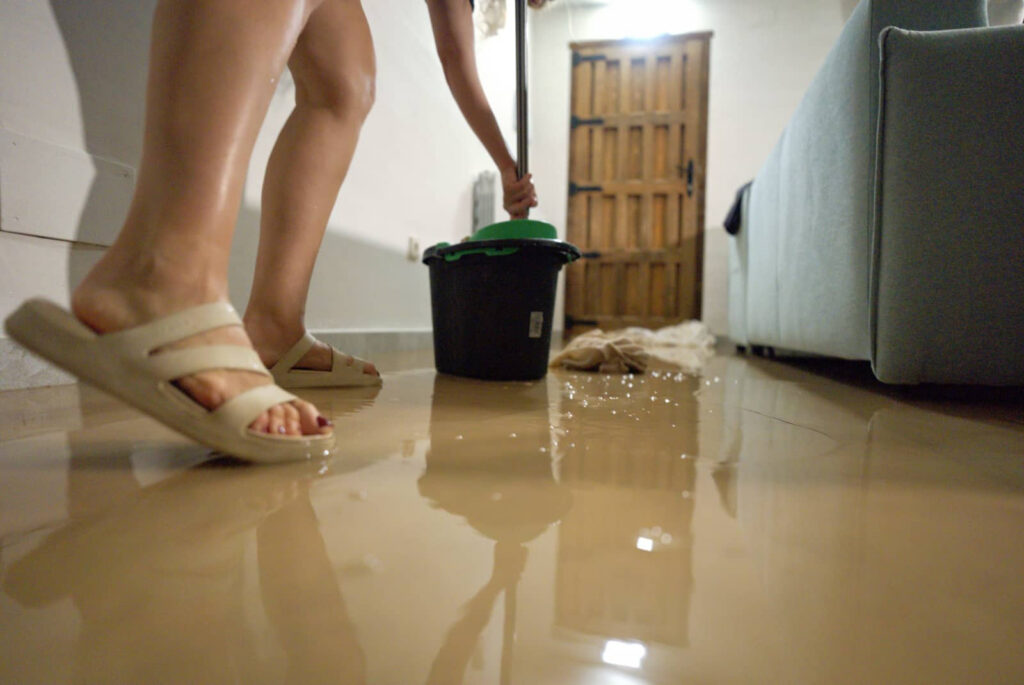
Apply the disinfecting solution using a clean cloth or mop, ensuring you cover all areas that came into contact with the spill. Pay special attention to high-touch surfaces, as these are critical in preventing the spread of bacteria.
After the disinfectant has sat for the recommended time, rinse the surfaces with clean water and allow them to air dry.
Finally, dispose of any used cleaning agents and materials properly. This thorough approach ensures a clean environment and fosters a sense of safety and belonging in your home.
Restore and Prevent Future Incidents
To restore and prevent future sewage incidents, you need to implement regular maintenance practices and proper waste disposal techniques.
Consistent inspections of your plumbing and sewage systems can help identify potential issues before they escalate.
Additionally, educating yourself and others on appropriate waste disposal can greatly reduce the risk of future spills.
Regular Maintenance Practices
While sewage spills can occur unexpectedly, implementing regular maintenance practices can greatly reduce the risk of future incidents. Start by scheduling routine inspections of your plumbing and sewage systems. These inspections allow you to identify potential issues before they escalate into major problems. During these checks, look for signs of wear, blockages, or leaks, and address them promptly.
Additionally, consider establishing preventive measures, such as keeping drains clear and using appropriate filters. Regularly cleaning and maintaining your sewage systems ensures they function efficiently.
Encourage everyone in your household or organization to be vigilant about reporting any unusual odors or drainage issues. By prioritizing these practices, you create a safer and healthier environment, fostering a sense of community responsibility in sewage management.
Proper Waste Disposal Techniques
Effective waste disposal techniques are essential for restoring and preventing future sewage incidents.
By implementing proper waste management practices, you can greatly reduce the risk of contamination and protect your community.
Participate in local recycling programs to minimize landfill waste
Dispose of hazardous materials responsibly to safeguard the environment
Educate yourself and others on waste separation to enhance recycling efforts
Frequently Asked Questions
What Personal Protective Equipment Is Necessary During Sewage Cleanup?
You’ll need nitrile gloves for protection against contaminants, along with heavy-duty rubber gloves for added safety. A respirator mask is essential to filter harmful particles, ensuring you breathe safely during sewage cleanup activities.
How Long Does It Take for Sewage Damage to Dry Out?
When sewage spills occur, drying time can vary greatly. Typically, it takes several days to weeks, depending on moisture levels and ventilation. You’ll want to monitor conditions closely to ensure effective drying and prevent further issues.
Can I Use Bleach for Cleaning Sewage Spills?
You shouldn’t use bleach for cleaning sewage spills, as it’s ineffective against certain pathogens. Instead, consider alternative cleaners specifically designed for biohazards, ensuring thorough sanitation and safety for you and your environment.
What Are the Health Risks Associated With Sewage Exposure?
Sewage exposure can expose you to harmful pathogens, leading to various health effects like infections, gastrointestinal issues, and respiratory problems. It’s essential to take precautions to protect your health and wellbeing in such situations.
Do I Need to Notify Local Authorities After a Sewage Spill?
When a sewage spill darkens your property, notify local authorities immediately. Local regulations often require spill notification to ensure safety and proper cleanup. Acting swiftly helps protect your community and keeps everyone safe from potential hazards.