Contents
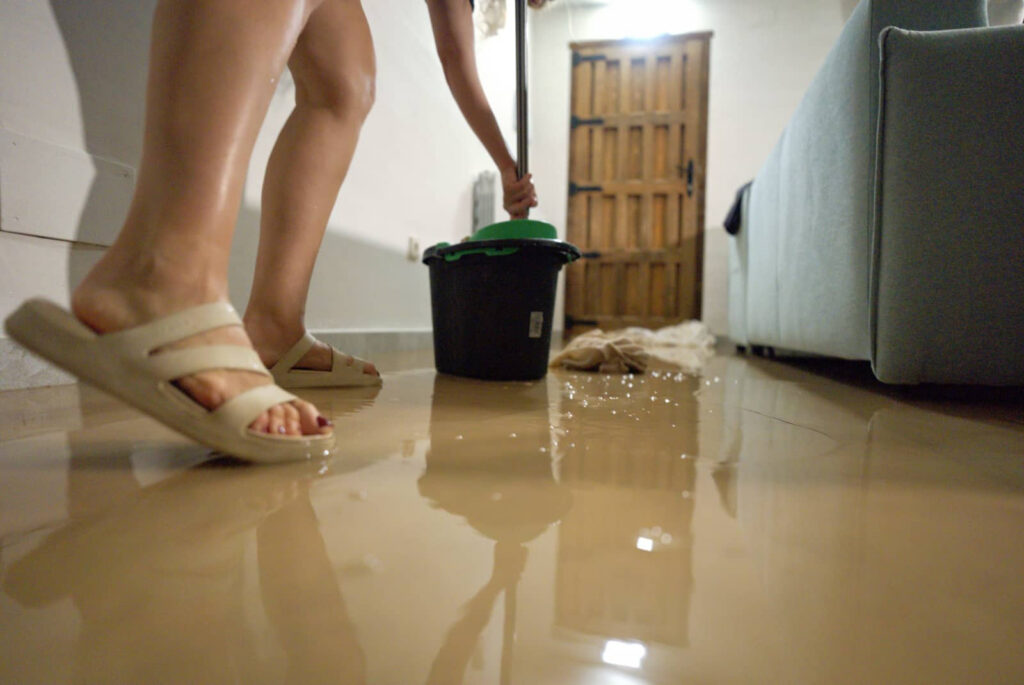
After a storm, you could hear a sump pump fail before dawn, and by sunrise, the floor may already be starting to warp. Flood Damage Restoration should begin with a 24-hour flood team that moves quickly, extracts water completely, and dries the structure with controlled equipment. The right restoration process can also address sewage risks, repairs, and claim documentation. The real difference often shows up in the first hour, when every decision starts to shape what you can still save.
Key Takeaways
- Choose 24-hour restoration teams that offer emergency water extraction, drying, and damage mitigation immediately after flooding.
- Prioritize companies with truck-mounted vacuums, submersible pumps, air movers, and dehumidifiers for fast moisture removal.
- Select providers experienced in sewage cleanup, disinfecting, and safe removal of contaminated porous materials.
- Verify they document damage, coordinate with insurers, and provide detailed moisture checks throughout recovery.
- Use trained professionals who follow safety precautions, protect structural materials, and prevent hidden mold or contamination.
Immediate Flood Damage Steps
When floodwater enters your property, you should act immediately to reduce structural damage and mold growth. Shut off electricity if it’s safe, then move family members and pets to a secure area.
Contact emergency contacts, including your insurer, local authorities, and a trusted restoration team, so you’re not managing this alone. Document visible damage with photos and notes for your flood insurance claim, and keep receipts for urgent expenses.
Protect important documents, medications, and valuables by relocating them above the waterline. Wear boots, gloves, and a mask when you reenter affected areas.
Avoid using elevators, gas appliances, or compromised outlets. By taking these steps quickly, you help your household stay organized, reduce risk, and build a faster path to recovery together.
Water Extraction and Drying
Once the property is safe to enter, begin water extraction right away to limit structural deterioration and secondary moisture damage.
You should deploy water removal techniques such as truck-mounted vacuums, submersible pumps, and portable extractors to remove standing water quickly.
Then use air movers and dehumidifiers to accelerate evaporation and stabilize indoor humidity.
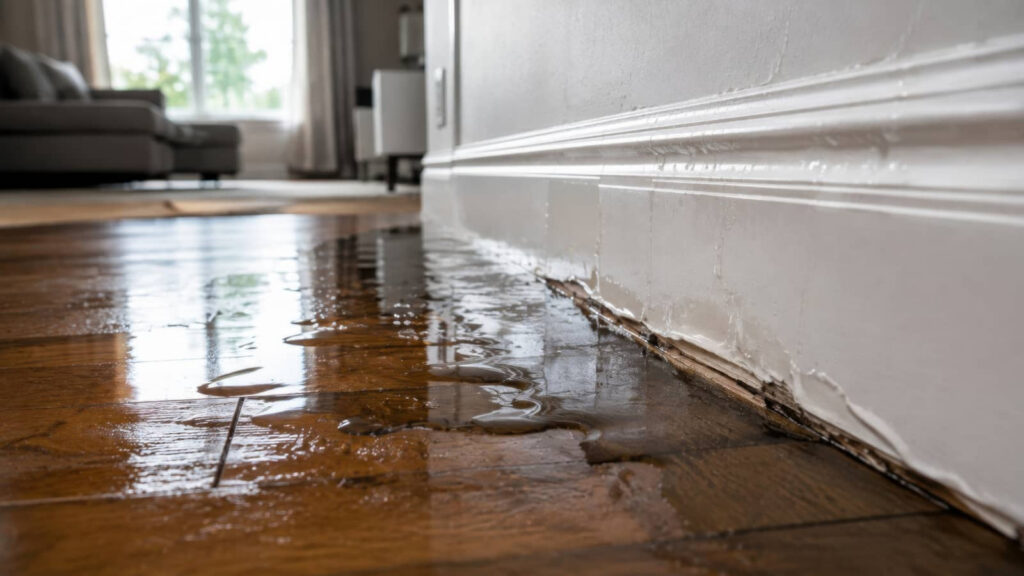
Check hidden cavities, baseboards, and flooring edges for trapped moisture, because water can linger where you can’t see it.
Keep monitoring with moisture meters, and adjust moisture control methods as conditions change.
You’ll protect materials, reduce odors, and shorten recovery time when you maintain steady airflow and accurate readings.
Work methodically, document progress, and stay connected with your restoration team so everyone knows the space is drying as intended.
Sewage Cleanup and Structural Repairs
Because sewage introduces hazardous contaminants, you should isolate the affected area, wear proper PPE, and remove all porous materials that can’t be safely sanitized.
Next, you should clean and disinfect all remaining surfaces with EPA-registered products, then verify moisture levels so hidden contamination doesn’t linger.
You’ll protect sewage safety by controlling airflow, containing debris, and documenting damaged components for your claim and repair team.
After cleanup, inspect framing, subflooring, drywall, and insulation for swelling, rot, or loss of load-bearing capacity.
If you see compromised members, you should replace or reinforce them to restore structural integrity.
Working with trained professionals helps you keep the space safe, meet code, and return to a healthy environment where your home feels secure again.
Frequently Asked Questions
How Soon Should I Call My Insurance Company After Flooding?
Call your insurance company as soon as you can, ideally within 24 hours. You’ll speed the claim process, protect flood insurance coverage, and join a prepared homeowners’ circle that acts fast after flooding.
Can Flood-Damaged Electronics Be Safely Restored?
You can sometimes restore flood-damaged electronics, but don’t play hero with electricity. You’ll need electronic safety first, then proper restoration techniques: disconnect, dry, clean, and have a technician inspect them before powering up.
What Certifications Should a Restoration Company Have?
You should look for IICRC certification, EPA lead-safe credentials, mold remediation training, and OSHA safety compliance because certification importance ensures restoration standards, protects your property, and helps you feel confident, supported, and included throughout recovery.
How Do You Prevent Mold After Flood Cleanup?
You prevent mold by drying materials fast, removing wet porous items, and controlling humidity—think of moisture as mold’s invitation. For mold prevention, you’ll need post flood maintenance: disinfect, ventilate, and inspect daily.
Are Contaminated Belongings Always Salvageable?
No, you can’t always salvage contaminated belongings. You should complete a contamination assessment first, then apply restoration techniques only if materials remain structurally sound and can be safely decontamiated. You’ll protect your space and reduce health risks.
Conclusion
When floodwater hits, you’re the captain steering a storm-tossed ship back to harbor. The best 24-hour restoration team boards fast, bails out standing water, and runs powerful drying gear to keep the hull from warping. They clear sewage hazards, repair damaged structures, and keep you informed with clear reports for insurance. With swift action and strict safety, you can move your home from wreckage to recovery, safely and efficiently.