Contents
Many homeowners who face sewage backups report property damage that exceeds initial estimates. When wastewater enters your home, you’re dealing with pathogens, saturated materials, and fast-moving structural damage that can spread through flooring, walls, and air systems. Immediate cleanup limits exposure, protects indoor air quality, and supports insurance claims, but the real risk often starts before you can even see it.
Key Takeaways
- Emergency wastewater cleanup stops sewage pathogens from spreading and protects your family’s health.
- Quick removal prevents contamination of floors, walls, and hidden spaces like wall voids and subfloors.
- Fast cleanup reduces mold growth, lingering odors, and costly structural damage.
- Professional response contains the hazard safely and helps restore sanitary indoor conditions.
- Documented cleanup supports insurance claims and helps prevent future sewer or drain failures.
Why Emergency Wastewater Cleanup Matters
When wastewater backs up or spills unexpectedly, every minute counts because untreated sewage can spread pathogens, damage structures, and contaminate soil and water.
You need emergency wastewater cleanup to limit exposure, protect indoor air quality, and reduce long-term repair costs. Fast action also supports emergency preparedness by helping you isolate hazards, document damage, and coordinate restoration efficiently.
With strong homeowner awareness, you can recognize warning signs early, avoid unsafe contact, and call trained professionals before contamination worsens. This response protects your household and your neighborhood, because sewage incidents don’t stay confined to one room.
Acting quickly helps you restore sanitary conditions, preserve building materials, and maintain compliance with health expectations.
How Wastewater Spreads Through a House
Once wastewater enters your home, it can move quickly through the path of least resistance, spreading beyond the original overflow point into floors, walls, subfloors, and connected plumbing fixtures.
You need to trace wastewater pathways fast, because pressure, gravity, and capillary action can push liquid through gaps you won’t see. That’s how contamination spread reaches shared cavities and adjacent rooms.
Drains and traps can backflow.
Baseboards can wick moisture outward.
Subfloors can channel liquid under surfaces.
Wall voids can carry it vertically.
You and your family belong to a home that’s safe, so isolate the source and map the migration route with precision.
Even a small release can travel far when pathways stay open.
What Sewage Exposure Does to Your Home
Sewage exposure can damage your home fast by saturating porous materials, corroding fixtures, and seeding bacteria into hidden surfaces.
You’ll notice sewage odors lingering in drywall, subfloors, and HVAC pathways, and those smells signal deeper contamination. If you delay cleanup, you invite structural damage, mold growth, and insulation contamination that can spread behind walls.
You may also see plumbing issues from backed-up lines, warped finishes, and stained surfaces that lower property value. Document everything for insurance claims, and schedule health inspections when required by local code.
Professional removal also helps limit environmental hazards outside the home. Fast remediation reduces remediation costs and keeps your household aligned with the standards responsible homeowners expect.
Health Risks of Untreated Wastewater
Untreated wastewater exposes you to high concentrations of bacteria, viruses, and parasites that can cause acute gastrointestinal, respiratory, and skin infections.
You can also encounter toxic compounds, including chemical residues and hydrogen sulfide, which may trigger neurological symptoms, airway irritation, and systemic illness.
Because these hazards spread rapidly through contact, inhalation, and contamination of surfaces, you need immediate containment and professional cleanup.
Bacterial Contamination Risks
When wastewater sits unaddressed, bacteria multiply rapidly and spread through splash, aerosol, and direct contact, creating immediate health hazards. You’re protecting your household when you identify contamination sources fast and act with strict sanitation measures.
Bacterial growth accelerates in warm, wet debris and porous materials.
Contamination sources include standing water, soaked flooring, and sewage residue.
Health implications range from gastrointestinal illness to wound infection.
Prevention strategies and cleanup protocols reduce exposure and restore safe conditions.
You should isolate the area, wear protective gear, and disinfect all affected surfaces.
If you belong to a community of prepared homeowners, you know prompt response limits spread and supports recovery.
Effective cleanup doesn’t just remove visible waste; it interrupts microbial transmission and helps your space return to a safe, livable state.
Toxic Exposure Dangers
Beyond the bacterial threat, wastewater can expose you to chemical and toxic hazards that demand immediate caution. You may encounter toxic substances from household cleaners, fuels, pesticides, and sewage byproducts, each carrying serious health implications.
Inhalation, skin contact, or accidental ingestion can trigger exposure symptoms such as nausea, headaches, dizziness, burns, or breathing trouble. These contamination sources can also create environmental hazards that spread beyond the visible puddle and into porous materials, HVAC systems, and soil.
If you ignore them, you risk long term effects on your respiratory, neurological, and immune health. You and your household stay safest when you follow strict safety precautions and proven cleanup protocols.
Wear protective gear, isolate the area, and call trained professionals who know how to remove contaminants and protect your home community.
Signs You Need Emergency Wastewater Cleanup
You need emergency wastewater cleanup when you see sewage backing up into drains, toilets, or floor drains, because that indicates a system failure that can spread contamination fast.
You should also treat persistent drain odors as a warning sign, since they often point to trapped wastewater, gas release, or hidden blockage.
Standing contaminated water requires immediate action, because it can expose your property to pathogens and accelerate structural damage.
Visible Sewage Backups
If sewage backs up into sinks, tubs, floor drains, or toilets, treat it as an urgent sanitary failure that requires immediate emergency wastewater cleanup. You’re facing direct contamination, and your home’s occupied spaces need fast isolation.
Check these signs:
- Wastewater rises in fixtures instead of draining.
- Solid debris or dark water appears at lower outlets.
- Multiple rooms show synchronized drainage issues.
- A sewage odor accompanies the visible backup, pointing to backup sources in the main line.
Don’t flush, run water, or delay. Shut off affected fixtures, keep everyone clear, and arrange emergency service.
Technicians can verify blockages, document damage, and perform plumbing inspections to find the fault before it spreads. Acting quickly helps protect your household and restores a safe environment.
Persistent Drain Odors
Persistent drain odors often signal trapped sewage, venting failure, or contamination inside the plumbing system, even when no backup is visible yet. You shouldn’t dismiss that smell as normal household plumbing behavior.
It usually means wastewater gases are escaping through compromised seals, clogged traps, or hidden residue in branch lines. When you inspect odor sources, focus on sinks, floor drains, and laundry connections, then schedule prompt drain maintenance to isolate the fault.
If the odor intensifies after water use, your system may be harboring contamination that needs professional emergency wastewater cleanup. Acting quickly helps you protect your home, limit exposure, and stay aligned with neighbors who value a safe, healthy property.
Clean air matters, and decisive response does too.
Standing Contaminated Water
Standing contaminated water is a critical warning sign that wastewater has breached normal drainage pathways and needs immediate cleanup. You’re facing a direct exposure risk, not a cosmetic nuisance.
Identify the source fast, because contamination sources can include sewer backups, sump failures, or broken supply lines. Standing water hazards grow quickly as pathogens, mold, and structural damage intensify.
- Check for discoloration, odor, or sludge.
- Keep children and pets away.
- Shut off affected fixtures if safe.
- Call emergency cleanup specialists right away.
When you act promptly, you protect your home and stay aligned with neighbors who value safety and readiness.
Don’t wait for moisture to spread into walls, flooring, or HVAC systems, where cleanup becomes more complex, costly, and hazardous.
What to Expect During Sewage Cleanup
During sewage cleanup, a trained crew first inspects the affected area, identifies contamination sources, and establishes containment to prevent cross-contamination.
You’ll see technicians document damage, remove unsalvageable materials, and verify electrical and structural safety before work continues.
Expect clear communication about access limits, sanitation steps, and odor control so you know what’s happening and why.
Your homeowner responsibilities include keeping pets and children out, preserving access routes, and sharing accurate details about the backup’s origin.
Practical sewage cleanup tips include shutting off affected fixtures, avoiding contact with standing water, and reporting any hidden wet areas quickly.
The team will also explain disposal requirements and cleanup priorities, helping you stay informed, compliant, and connected throughout the process.
How Professionals Remove Wastewater Fast
You’ll start with a rapid damage assessment to identify contamination levels, affected materials, and immediate safety hazards.
Professionals then use safe extraction methods with submersible pumps, wet vacuums, and controlled containment to remove wastewater quickly without spreading it.
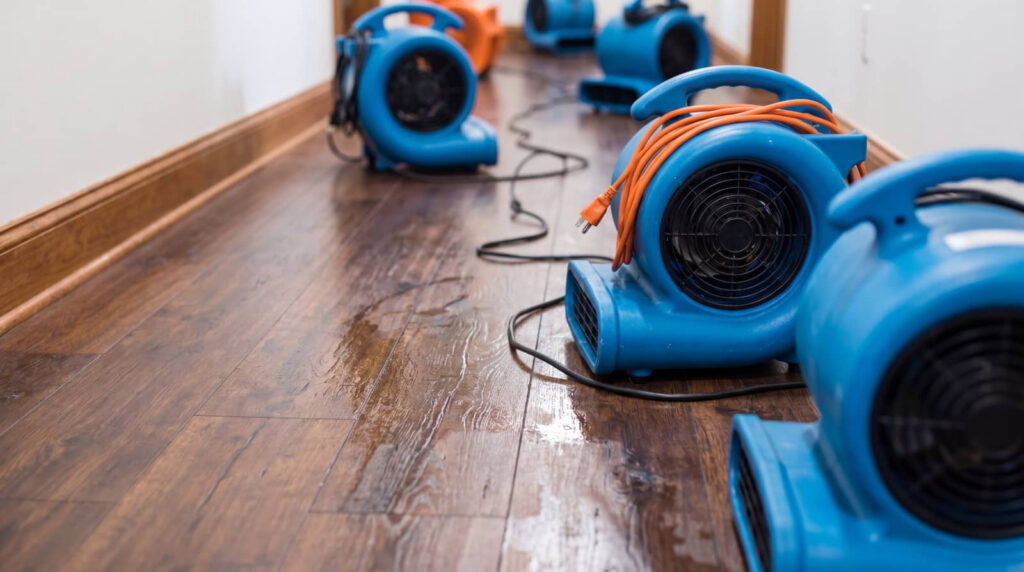
After extraction, they deploy advanced drying equipment such as air movers and dehumidifiers to reduce moisture and stabilize the structure.
Rapid Damage Assessment
Before crews remove wastewater, they perform a rapid damage assessment to locate the source, classify the contamination, and identify immediate safety hazards. You’re included in a clear, coordinated process that uses rapid response strategies and assessment tools to map affected rooms, materials, and moisture paths quickly.
This first pass tells the team what’s compromised and what needs priority attention.
- Verify the source and stop further intrusion.
- Identify category and exposure risks.
- Measure moisture in flooring, walls, and fixtures.
- Document conditions for the cleanup plan.
With precise findings, you get a faster, more controlled response and a shared understanding of the work ahead. That speed matters because every minute can expand damage and raise health risk.
Safe Extraction Methods
Once the source is controlled and the area is assessed, professionals begin wastewater extraction with high-capacity pumps, wet vacuums, and targeted containment to remove standing water as quickly as possible.
You’ll see crews use extraction techniques matched to floor type, contamination level, and access points so they don’t spread wastewater into clean areas. They wear full protective gear, isolate circuits, and follow strict safety protocols to reduce exposure to pathogens, sharp debris, and electrical hazards.
Technicians also protect structural materials by lifting water from low points first, then working outward in controlled passes. This disciplined approach keeps your home’s recovery coordinated, limits secondary damage, and helps your household feel supported by a team that knows exactly how to work fast, safely, and with confidence.
Advanced Drying Equipment
After extraction, crews deploy industrial air movers, low-grain refrigerant dehumidifiers, and targeted heat to pull moisture from subfloors, wall cavities, and structural framing fast.
You get advanced technology that accelerates drying and protects your home’s integrity. Professionals map moisture, set containment, and adjust drying techniques to match material density and saturation.
- Air movers increase surface evaporation.
- Dehumidifiers capture vapor and stabilize humidity.
- Thermal imaging verifies hidden wet zones.
- Moisture meters confirm safe drying targets.
This coordinated process reduces microbial risk, limits warping, and helps you stay confident during a stressful cleanup.
When you work with trained specialists, you’re not just drying a structure—you’re restoring a safe space for your household with precision, speed, and expert control.
Why DIY Cleanup Puts You at Risk
When you attempt wastewater cleanup yourself, you expose yourself to pathogens, toxic gases, and hidden electrical hazards that can escalate fast in an uncontrolled environment.
DIY hazards aren’t just inconvenient; they carry serious health implications, including respiratory exposure, skin infection, and gastrointestinal illness.
Contamination risks spread when you use improper techniques, move material without containment, or miss affected porous surfaces.
You also can’t verify safety protocols the way trained crews do, so equipment failures and incomplete removal can leave active residues behind.
Those errors can drive long term effects, from persistent odors to structural decay.
What Repairs Follow Cleanup
With the contaminated material removed and the area disinfected, you still need to assess what the wastewater compromised, because cleanup rarely restores a structure to pre-loss condition on its own. Your team should complete structural assessments, then match repair costs to the restoration timeline and equipment needs.
Schedule health inspections to verify safe occupancy.
Document insurance claims with photos, moisture readings, and itemized estimates.
Prioritize flooring repairs and subfloor replacement where saturation persists.
Include plumbing updates and mold remediation when tests confirm hidden damage.
You’ll get the clearest path forward when mitigation techniques guide each repair phase, from drying to rebuild.
That’s how you protect your home, support your household, and move back into a place that feels like yours again.
How to Prevent Future Wastewater Damage
To reduce the risk of future wastewater damage, you need to identify the failure points that made the backup possible and correct them before the next heavy rain, power loss, or plumbing surge.
Inspect sewer lines, sump pumps, backwater valves, and drainage grades, then repair defects fast. Add preventive measures like battery backup for pumps, sealed cleanouts, and debris screens on exterior drains.
Schedule routine camera inspections and hydro-jetting if buildup keeps recurring. Follow maintenance tips: test alarms monthly, clear gutters, and never flush grease, wipes, or hygiene products.
If your neighborhood faces repeated overflow, coordinate with neighbors and local utilities so you’re not dealing with this alone.
A disciplined plan protects your home, supports your household, and keeps everyone on the same page.
Frequently Asked Questions
How Much Does Emergency Wastewater Cleanup Usually Cost?
You’ll usually pay $1,000-$4,000, but severe contamination can hit $10,000+. Your cost factors include area size, damage level, and cleanup methods. You’re not alone; certified crews can quickly restore safe conditions.
Does Homeowners Insurance Cover Sewage Cleanup Services?
Usually, you’re covered only if your insurance policy details include sudden, accidental discharge; one burst pipe can flood a basement like a flash storm. For sewage backup prevention, you’ll need a specific endorsement—check your declarations page.
How Long Does Wastewater Cleanup Typically Take?
You’ll usually see wastewater cleanup take 1-3 days, though complex wastewater types, contamination levels, and cleanup methods can extend it. You can expect assessment, extraction, drying, and disinfection to follow a precise, professional workflow.
Can Contaminated Carpets Ever Be Safely Salvaged?
Yes—sometimes, if contamination’s minor and you act fast. Lightly affected carpets can undergo carpet restoration, but contamination risks rise quickly. You’ll need professional assessment, deep extraction, and sanitization to stay protected.
Who Should I Call First During a Wastewater Backup?
Call a licensed wastewater restoration company first; then notify your plumber and utility provider. If you spot backup warning signs, shut off water, avoid drains, and follow sewage prevention tips to protect your home and community.
Review
You may think sewage is just a messy inconvenience, but untreated wastewater quickly becomes a toxic, structural emergency. If you wait, it seeps deeper, spreads contamination, and turns a small backup into a costly disaster. Act fast, and you protect your health, your home, and your insurance claim. Ignore it, and you’ll pay more for cleanup, repairs, and risk. In wastewater emergencies, the “cheap” delay is usually the most expensive mistake.