Contents
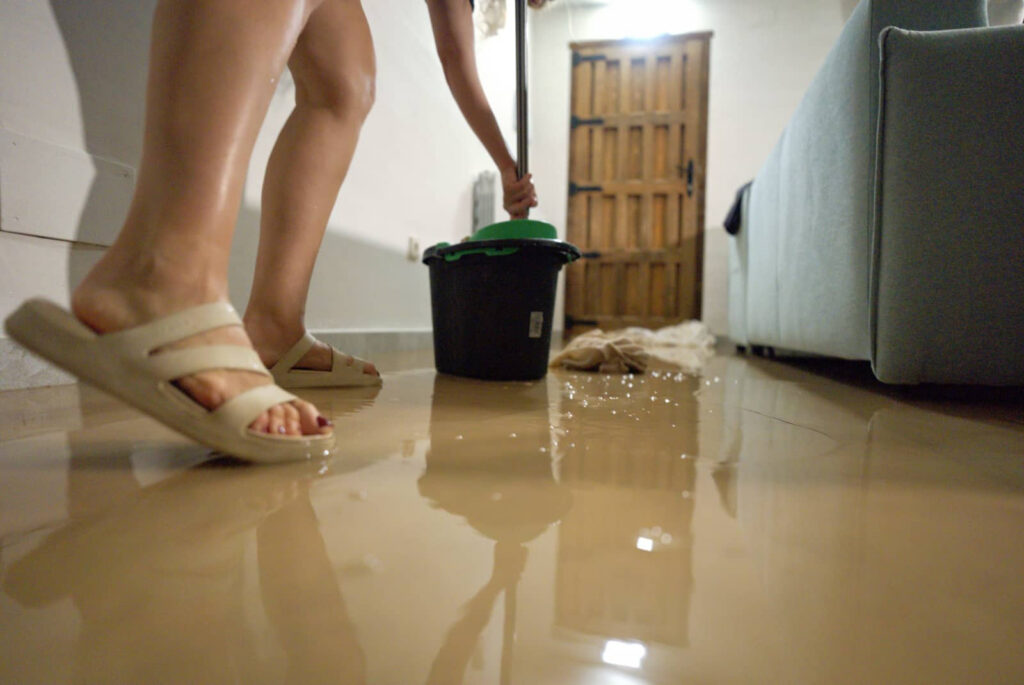
If floodwater gets into a sewage line, you’re not just dealing with a mess—you’re staring at a public health problem that can spread fast. You need to assess contamination early because pathogens, corrosive waste, and hidden moisture can keep damaging materials long after the water recedes. The real cost often shows up later, and what you miss in the first inspection can change everything.
Key Takeaways
- Sewage remediation matters because floodwater can contain fecal matter and pathogens that create immediate health risks.
- It helps identify contaminated areas early, preventing unsafe exposure through skin contact, inhalation, and ingestion.
- Prompt cleanup limits structural damage to drywall, insulation, adhesives, and metal components.
- Visible odors, residue, and slow drains signal contamination and the need for urgent sanitary remediation.
- Early remediation reduces restoration costs and speeds safe re-occupancy after flooding.
Why Sewage Remediation Matters After Flooding
After flooding, sewage cleanup matters because floodwater can carry fecal matter, pathogens, and other contaminants into homes, soil, and building systems. You reduce health risks when you remove residues quickly, because prolonged exposure can trigger gastrointestinal illness, skin infections, and respiratory irritation.
You also protect structural materials, since contaminated moisture can degrade drywall, insulation, and subfloors. Proper cleanup supports a safer return for you and your neighbors, strengthening community impact by limiting odors, closures, and service disruptions.
You should treat affected areas as contaminated until tested, cleaned, and disinfected. That approach helps you restore confidence, maintain shared spaces, and prevent avoidable losses.
When you act promptly, you help your household and your community recover with less risk and more resilience.
How Floodwater Becomes Sewage Contamination
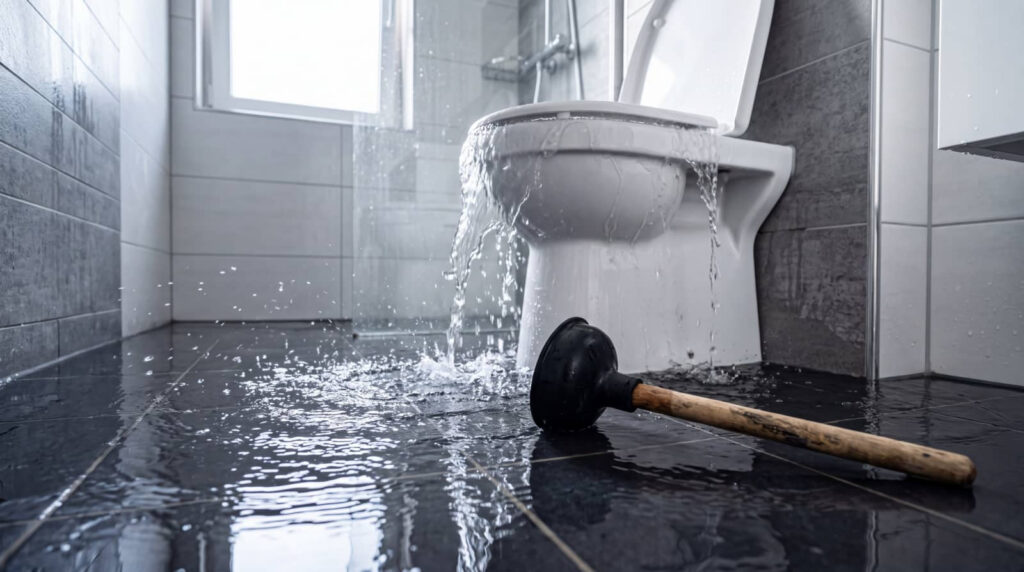
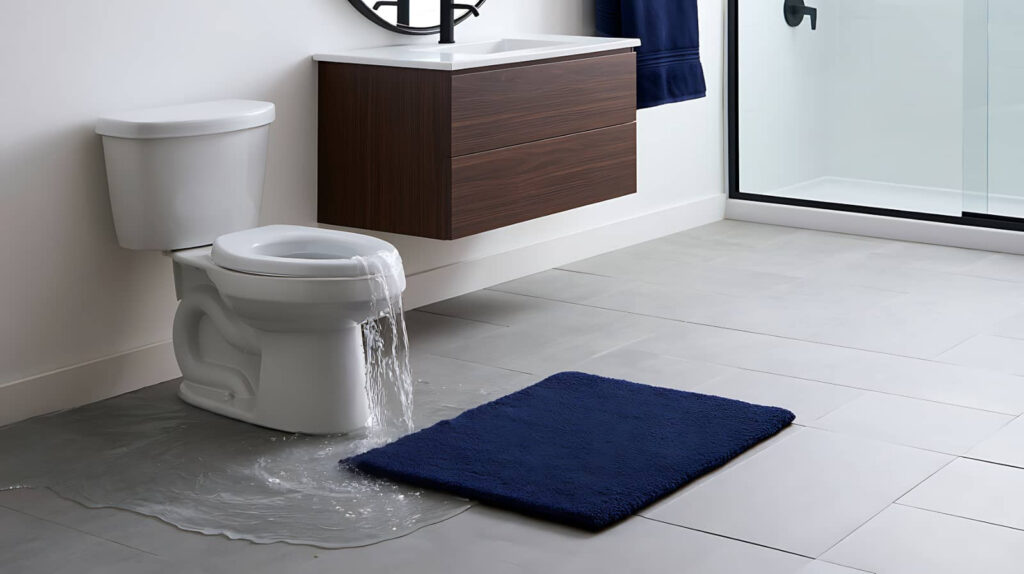
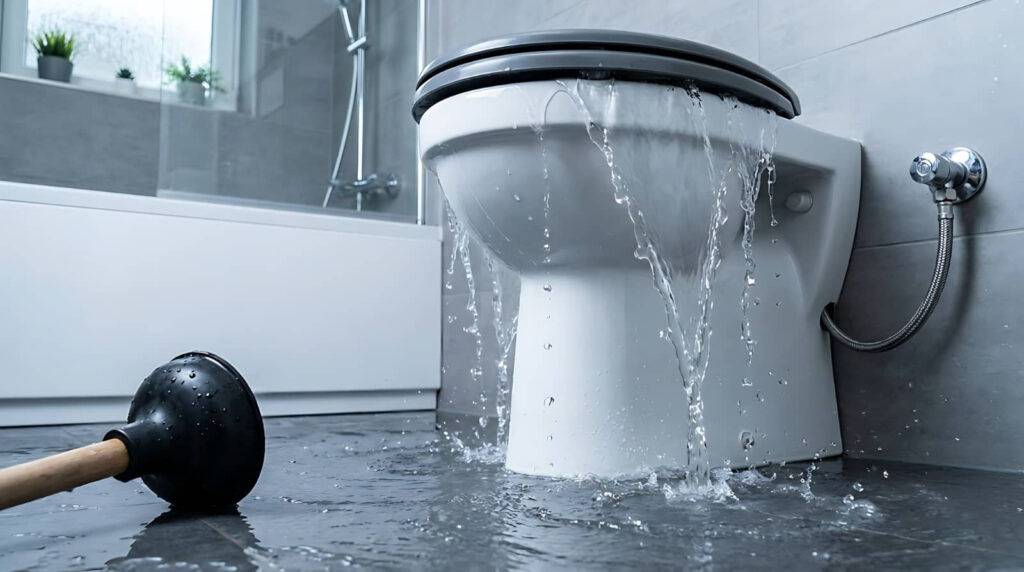
When floodwater overwhelms sewer lines, septic systems, lift stations, or storm drains, it can backflow through toilets, floor drains, manholes, and low-lying openings into occupied spaces.
You then face floodwater contamination that carries wastewater, pathogens, and debris into areas you use every day. As water rises and pressure changes, contaminated runoff can mix with surface water, transport fecal material, and spread across yards, basements, and entry points.
That process turns a hydraulic event into a sanitation problem with direct health risks. You may not see every contaminant, but the system’s failure creates exposure pathways through skin contact, inhalation of aerosols, and accidental ingestion.
When you understand how this happens, you can assess the scene more accurately and act with your team’s safety in mind.
What Sewage Contamination Does to Buildings
Sewage contamination attacks a building at both the surface and material levels. You see sewage effects in porous finishes, adhesives, insulation, and framing, where moisture and organic waste weaken bonds and promote decay.
As the contamination migrates, it can lower building integrity by corroding metal fasteners, staining gypsum, and degrading subfloors. You’re not just dealing with odor; you’re dealing with a system-wide load on your structure’s performance.
It infiltrates cracks and joints, increasing hidden damage.
It contaminates insulation, reducing thermal efficiency.
It accelerates microbial growth on damp materials.
When you assess flood impact, you protect your space and the people who belong in it.
Technical review helps you distinguish temporary wetting from structural compromise, so you can make decisions with confidence, precision, and care.
Signs You Need Sewage Remediation Fast
If foul odors, discolored waterlines, or visible residue persist after flooding, you need sewage remediation fast. You may also notice slow-draining fixtures, warped baseboards, or soft drywall near affected zones.
These signals usually point to active contamination sources, not simple moisture. You’re dealing with health risks when bacteria, viruses, and organic waste remain in porous materials or standing water.
Check for blackened grout, slick surfaces, and any sediment that reappears after cleaning; those patterns indicate ongoing exposure. If occupants report nausea, headaches, or skin irritation, don’t dismiss it.
Your space should feel safe, and you deserve clear evidence before reentry. Fast remediation limits spread, reduces cross-contamination, and helps you restore a controlled, sanitary environment quickly.
How Sewage Remediation Protects Recovery Costs
Fast remediation does more than remove contamination; it directly limits the financial loss tied to flood recovery.
You protect your budget by cutting microbial spread, preventing structural decay, and shortening downtime. When you act quickly, you keep repair scopes smaller and preserve claim eligibility.
Your recovery strategies work best when you document damage, isolate affected zones, and schedule professional inspections immediately.
- Faster drying reduces hidden moisture costs.
- Targeted remediation techniques lower demolition and replacement expenses.
- Early clearance helps you resume occupancy sooner.
Frequently Asked Questions
How Long Does Sewage Contamination Remain Dangerous After Floodwater Recedes?
It can stay dangerous for days to weeks after floodwater recedes. Your health risks rise while contamination duration depends on temperature, drying, and cleanup. You should avoid contact until testing confirms sanitation and disinfection are complete.
Can Sewage Contamination Affect Indoor Air Quality After Cleanup?
Yes—after cleanup, you can still face indoor air quality issues; why risk lingering sewage odors? Damaged materials can off-gas indoor pollutants, so you should verify ventilation, moisture control, and remediation completeness before reoccupying.
What Personal Protective Equipment Is Needed During Sewage Remediation?
You need waterproof gloves, boots, eye protection, and a respirator, plus disposable coveralls and protective gear. Follow safety protocols to prevent exposure to pathogens, chemicals, and aerosols; you’ll stay protected and part of a safer cleanup team.
How Is Sewage Contamination Tested in Soil and Materials?
You test sewage contamination through soil testing and material sampling, then analyze contamination sources with microbiology and chemical assays—like a forensic map after floodwaters recede. You’ll identify pathogens, nutrients, and markers precisely, confidently, together.
Does Insurance Cover Temporary Relocation During Sewage Cleanup?
Usually, your insurance policies may cover temporary housing during sewage cleanup if sewage damage is a covered peril. You’ll need to verify limits, exclusions, and documentation, then coordinate with your adjuster for approval.
Final Thoughts
When floodwaters enter your property, you’re not just facing a messy cleanup—you’re dealing with a hidden cocktail of contaminants that can quietly compromise health and building integrity. Acting quickly on sewage remediation helps you reduce pathogen exposure, limit material deterioration, and keep recovery costs from snowballing. If you spot foul odors, discoloration, or lingering moisture, you shouldn’t wait. Fast, precise remediation gives you a cleaner path back to safety, stability, and a more manageable restoration process.