Contents
If a toilet backs up into your basement on a Sunday night, you need to act fast. You’d stop the leak, check for electrical or slip hazards, and keep everyone clear of the area. Then you’d remove standing water, disinfect every affected surface, and dry the space thoroughly. Some spills stay manageable, but others can turn risky quickly, so knowing when to call a sewage cleanup pro can save you time and trouble. Here’s how to handle home emergency waste cleanup safely.
Key Takeaways
- Stop the source of waste or sewage immediately to prevent further contamination.
- Wear gloves, boots, eye protection, and a mask before entering the affected area.
- Remove standing water and solid waste quickly using buckets, pumps, or a wet vacuum.
- Clean and disinfect all affected surfaces, then dry the area thoroughly.
- Call a professional cleanup service if the spill is large, hazardous, or from a main line.
Home Emergency Waste Cleanup: Stop the Sewage Leak Immediately
Act fast to stop the sewage leak immediately, because every minute increases the risk of contamination and damage.
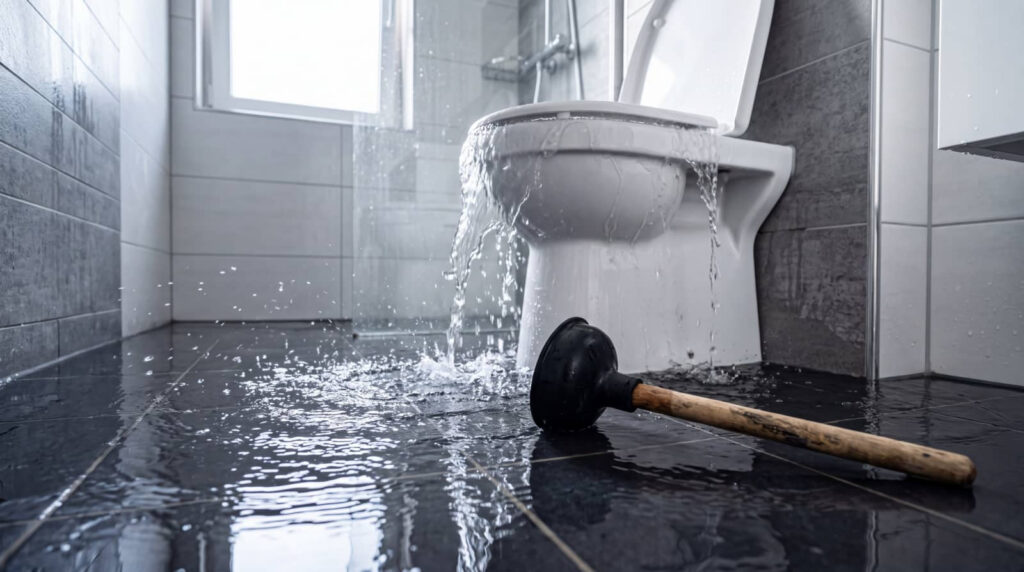
You should locate the sewage source and shut off the nearest valve, cleanout, or appliance that feeds it. If the flow comes from a toilet or fixture, stop using water in that area and alert everyone in your home.
Then contain the area with barriers or towels to limit spread. Keep children and pets away so your household stays protected and coordinated.
If the leak comes from a main line, contact a licensed plumber without delay.
For leak prevention, inspect joints, seals, and drain lines regularly, and fix slow drips before they worsen.
Quick action helps you protect your space and keep your home safer for everyone.
Check Safety Risks Before Cleanup
Before you clean anything, check for safety risks so you don’t expose yourself to sewage-related hazards.
Start with a quick hazard assessment of the room, looking for electrical outlets, damaged wiring, slippery surfaces, sharp debris, and any sign of gas or chemical exposure.
If you smell strong fumes, see structural damage, or notice a possible backflow from toilets or drains, step back and get help.
Wear personal protective gear that fits well, including gloves, boots, eye protection, and a mask if airborne splash is possible.
Keep children, pets, and neighbors away so your cleanup crew stays safe and focused.
You’re not overreacting by pausing first; you’re protecting your home and everyone in it before you move forward together.
Remove Standing Water and Waste
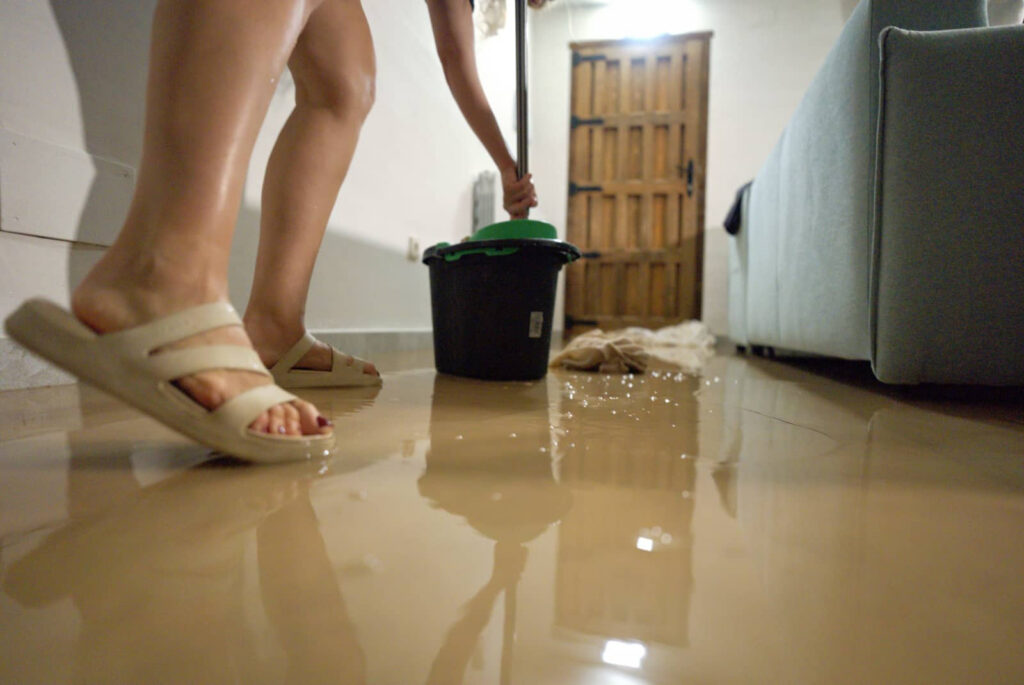
Once the area is safe, pump out or scoop up the standing water and remove solid waste as quickly as possible. Use buckets, a wet vacuum, or a pump for efficient water extraction, and wear gloves and boots while you work.
Sort debris carefully so you can handle waste disposal without spreading contamination. Place soaked items, food waste, and other unusable materials into sturdy bags or lined containers, then seal them before moving them outside.
Keep pathways clear so your team can move safely and work faster. If water keeps returning, stop and reassess the source before continuing.
You’re taking an important step to protect your home and everyone in it, and a methodical cleanup helps your household get through the emergency together.
Disinfect Surfaces and Dry the Area
After you’ve removed the standing water and waste, clean all affected surfaces with hot water and a disinfectant approved for the material you’re treating. Work from the cleanest area toward the dirtiest, and change cloths often so you don’t spread contamination. For surface sanitization, let the product sit for the full contact time before wiping it away.
- Wash hard floors, baseboards, and fixtures thoroughly.
- Rinse surfaces when the label calls for it.
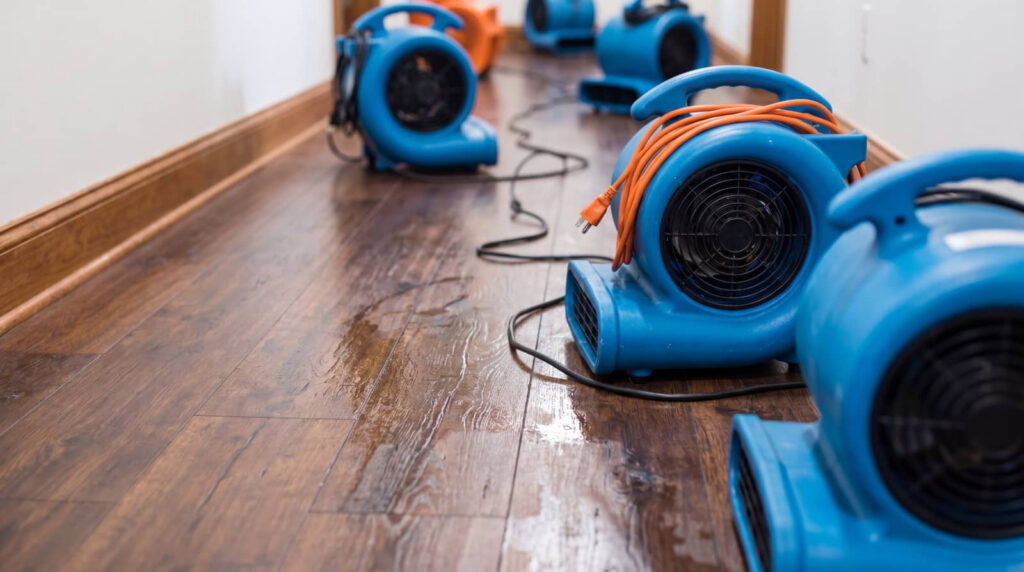
- Dry everything with towels, fans, or open windows.
Keep moisture control tight by checking corners, under cabinets, and behind appliances. If any surface still feels damp, dry it again right away.
You’re protecting your home and helping everyone feel safe, clean, and welcome again.
Call a Sewage Cleanup Pro if Needed
If the spill involves sewage, a large amount of contaminated water, or waste that’s reached hidden areas, call a professional cleanup service right away.
You can protect your home and everyone in it by stepping back and letting trained teams handle the hazard. Their sewage cleanup methods include extraction, deep disinfection, moisture checks, and safe disposal, which reduces health risks and hidden damage.
Professional services also inspect walls, floors, and HVAC areas you can’t easily reach, so nothing gets missed. If you belong to a household that wants a clean, healthy space, this is the safest choice when contamination spreads fast.
While you wait, keep people and pets away, shut off the area, and avoid touching affected materials.
Frequently Asked Questions
How Do I Prevent Sewage Backup From Happening Again?
You can prevent sewage backup by scheduling regular sewage maintenance, arranging plumbing inspections, avoiding grease and wipes down drains, and keeping tree roots away from lines. That’ll help you protect your home and community.
What Should I Keep in an Emergency Cleanup Kit?
You should keep an emergency cleanup kit stocked with cleaning supplies, protective gear, absorbent towels, trash bags, disinfectant, gloves, masks, goggles, and a flashlight—so you’re ready, protected, and never facing a mess alone.
Can I Salvage Contaminated Furniture After Cleanup?
You can sometimes salvage contaminated furniture after cleanup, but you’ll need a contamination assessment first. If damage is limited, furniture restoration may work. If odors, mold, or porous materials remain, you shouldn’t keep it.
How Should I Dispose of Waste Cleanup Materials Safely?
You should bag waste cleanup materials securely, separate hazardous materials, and follow local waste disposal rules. Wear gloves, keep items sealed, and place them in designated collection sites so you’re protecting everyone.
Does Homeowners Insurance Cover Sewage Cleanup Costs?
Usually, your homeowners policy won’t fully cover sewage cleanup unless you’ve added sewage insurance or water backup cleanup coverage. You should review your policy, document damage quickly, and contact your insurer for specific limits.
Wrap-Up
When waste wreaks havoc, you need swift, smart, sanitary steps. Stop the source, size up safety, scoop out standing water, and scrub surfaces with strong disinfectant. Dry everything completely to prevent persistent problems and protect your home’s health. If the mess is massive or hazardous, don’t try to tough it out—call a sewage cleanup pro. Quick, careful, clean action helps you recover safely and restore order fast.