Contents
You protect your building, you protect your inventory, and you protect your operations when you evaluate commercial water damage fast. Early inspection helps you measure the spread, isolate hidden moisture, and identify electrical, structural, and sewage-related hazards before they escalate. It also gives you cleaner documentation for insurers and a faster path to mitigation, but the real challenge is knowing what damage you can see—and what you can’t. That’s why rapid commercial water damage evaluation matters for every business owner and property manager.
Key Takeaways
- Rapid evaluation limits water spread, reducing structural damage and repair costs.
- Early assessment protects occupants by identifying electrical, slip, and contamination hazards.
- Fast documentation strengthens insurance claims with time-stamped evidence and loss records.
- Quick drying and source control help prevent mold growth and secondary damage.
- Prioritizing affected areas speeds recovery and shortens business interruption.
First Steps After a Commercial Flood
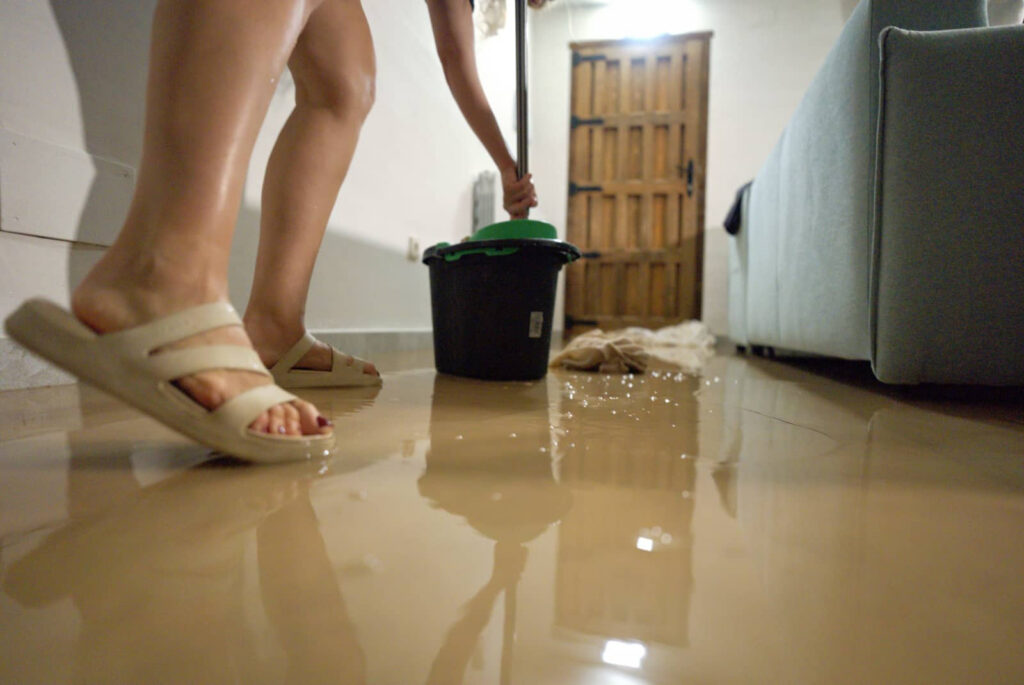
After a commercial flood, you should act immediately to limit further damage and protect occupants. Start your emergency response by shutting off affected utilities only if you can do so safely. Then restrict access with clear safety protocols.
Document visible conditions, identify hazards, and notify your internal team so everyone follows the same property protection plan. Move critical records, stock, and equipment out of standing water if conditions allow, supporting business continuity and loss prevention.
Next, begin insurance communication with time-stamped photos, loss details, and contact information for your adjuster. You’ll protect your space best when you coordinate fast, communicate clearly, and keep decisions focused on risk control.
A disciplined first response helps your crew stay aligned and reduces avoidable losses.
Why Rapid Commercial Water Damage Evaluation Matters
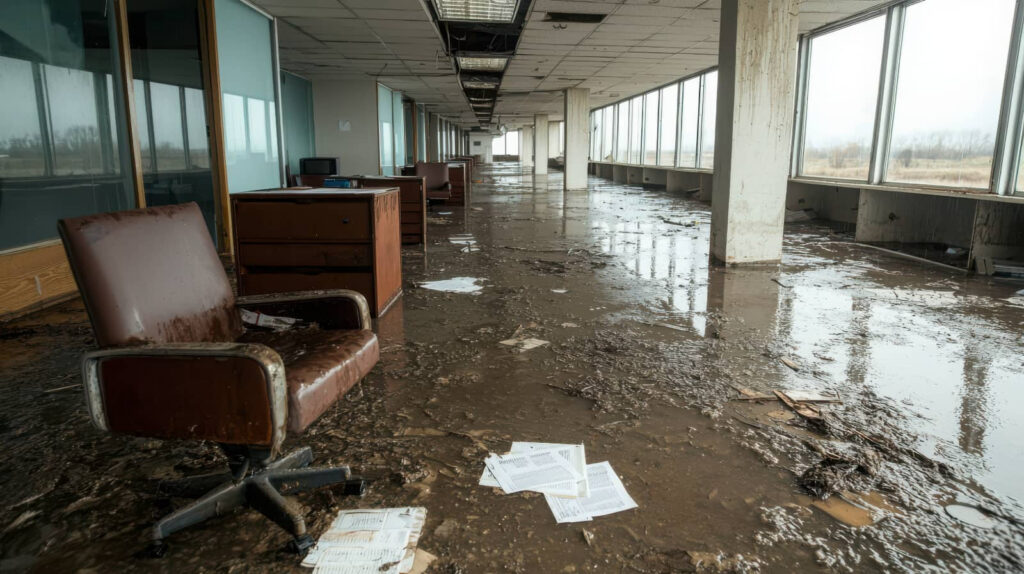
Fast water damage checks help you confirm the extent of intrusion before moisture spreads into wall cavities, subfloors, insulation, and electrical systems.
You can’t afford delay because hidden saturation drives structural deterioration, microbial growth, and higher remediation costs.
Early checks also support accurate documentation, which matters for insurance implications and helps you present a clear loss record.
When you act quickly, you protect business continuity by limiting shutdown time, preserving usable space, and reducing disruption for your team and customers.
You also stay aligned with your facility’s response plan, so everyone knows what’s happening and where to focus next.
Fast evaluation doesn’t replace full remediation, but it gives you the timely insight you need to keep recovery organized, defensible, and efficient.
How to Assess Damage Severity Quickly
Start by separating the water source, the affected materials, and the visible spread, because those three factors tell you how severe the damage is.
You then review damage indicators such as staining, swelling, delamination, pooling, and material distortion to rank urgency.
Use assessment tools like moisture meters, thermal cameras, and hygrometers to verify what you see and compare readings across zones.
If soft finishes, paper goods, or porous products show broad exposure, treat the area as high priority. If hard surfaces show limited wetting, you may classify it as moderate.
Document each room with time-stamped notes, measurements, and photos so your team can act together with confidence.
This quick method helps you make consistent calls, protect operations, and stay aligned with your crew.
Hidden Structural and Electrical Risks After a Flood
Even when surface water looks minor, you need to assume hidden structural and electrical damage may already be developing behind walls, under flooring, and above ceilings.
You can’t rely on visible conditions alone because moisture can weaken framing, swell subfloors, and compromise fasteners before finishes show distress.
In your facility, that means hidden hazards may spread quietly, reducing load capacity and creating costly delays.
You should also verify electrical integrity early, since wet conduits, outlets, and panels can fail without warning.
Use infrared imaging, moisture meters, and targeted inspection points to confirm what you can’t see.
When your team responds quickly and methodically, you protect operations, support one another, and keep the building safe for everyone who depends on it.
Sewage Risks and Safety Steps
If floodwater reached restrooms, kitchens, floor drains, or low-lying utility areas, treat the space as contaminated until testing and cleanup confirm otherwise. You’re facing sewage contamination, so act fast and protect your team.
Follow sanitation protocols before entry, and assign one leader to coordinate emergency response. Use protective gear that covers skin, eyes, and respiratory pathways.
- Restrict access immediately
- Remove affected porous materials
- Control spills and splashes
- Apply cleanup techniques in sequence
- Track wastewater disposal carefully
These steps reduce health hazards and help your crew work with confidence. Use odor management methods only after soils and residues are removed, since masking odor won’t resolve contamination.
Document surfaces, dates, and disposal routes so everyone stays aligned. When you respond together, you create a safer, cleaner return to service.
When to Call Water Extraction Specialists
Call water extraction specialists when standing water remains after initial shutdown, when moisture has migrated beneath flooring or into wall assemblies, or when the affected area is too large for your crew’s pumps and vacuums to handle safely.
You’ll need their emergency response when water damage threatens equipment, inventory, and operations. Their damage assessment identifies hidden saturation, structural risk, and contamination pathways fast.
Professional extraction techniques remove bulk water more efficiently than standard tools, reducing drying time and limiting secondary losses.
You stay on track in the restoration process when trained technicians integrate moisture mapping, containment, and targeted mitigation strategies.
Acting early helps your team protect the building, support one another, and regain control with confidence.
Documenting Damage for Insurance Claims
You should capture photo and video evidence immediately, documenting all affected areas, materials, and equipment before any cleanup alters the scene.
Then you should build a detailed damage inventory that lists each impacted asset, its condition, and its estimated replacement or repair scope.
You should also maintain claim timeline records so you can verify when the damage occurred, when mitigation began, and when each inspection or action took place.
Photo and Video Evidence
Start documentation immediately with wide shots, close-ups, and short video clips that capture the full extent of the water intrusion, affected materials, visible mold, and any damaged contents before cleanup begins.
Your photo documentation should show location context, source paths, and moisture patterns. Use video analysis to record sounds, active leaks, and movement of water across surfaces. Keep each file time-stamped and sequential.
- Capture overall room views
- Frame affected finishes and structural joints
- Record wet insulation and baseboards
- Show equipment, shutoffs, and warning signs
- Preserve unaltered conditions for adjusters
This evidence helps your team and insurer verify loss severity, support causation, and reduce claim disputes.
When you document clearly, you belong to a prepared response culture that protects operations and speeds recovery.
Detailed Damage Inventory
A detailed damage inventory turns initial observations into claim-ready evidence by itemizing every affected area, material, and asset with exact locations, quantities, dimensions, and condition notes.
You should use a structured inventory checklist, then apply damage categorization to separate surface staining, saturation, swelling, corrosion, and structural compromise.
Record each room, zone, and equipment tag so your adjuster can verify scope quickly. Note model numbers, finish types, and replacement status where relevant, because precise descriptions strengthen your position and help your team stay aligned.
You’ll also reduce disputes by linking each entry to a clear, measurable impact. When you document consistently, you create a professional record that supports restoration planning, validates loss severity, and keeps everyone working from the same facts.
Claim Timeline Records
A clear claim timeline records when the loss occurred, when each area was discovered, and how conditions changed from the first inspection through mitigation and repair.
You support claim documentation by logging each event with dates, times, photos, moisture readings, and technician notes. This record helps you prove cause, scope, and progression, and it keeps your team aligned during claim updates.
- Initial loss report
- First site inspection
- Area discovery sequence
- Mitigation start and stop
- Repair and closeout milestones
When you maintain this chronology, you reduce disputes, speed review, and show the carrier exactly what happened.
You also make it easier for everyone on your project to stay coordinated and confident.
How to Fast-Track Commercial Water Mitigation
You should start with a rapid damage assessment to identify the source, extent, and active spread of water intrusion.
Then you should implement immediate mitigation steps, including water extraction, moisture containment, and equipment shutdown where needed, to limit secondary damage.
Rapid Damage Assessment
When water enters a commercial property, a rapid damage assessment sets the pace for every mitigation decision that follows. You verify affected zones, classify materials, and compare findings against damage thresholds using calibrated assessment tools. That lets you and your team speak the same technical language, align quickly, and protect the building’s operational continuity.
- Map intrusion points
- Measure moisture levels
- Identify saturated assemblies
- Document structural exposure
- Prioritize zones by risk
You also note occupancy impacts, utility status, and hidden cavities so your report stays defensible.
Immediate Mitigation Steps
Rapid mitigation starts the moment you confirm active intrusion, because every minute of delay increases material loss and operational disruption.
You should trigger emergency response, isolate the source, and enforce safety protocols before entry. Then you’ll document conditions for damage assessment, photograph affected zones, and map moisture migration.
Deploy mitigation techniques such as extraction, air movement, and dehumidification, while protecting electrical systems and inventory.
Coordinate with your internal team so resource allocation matches the affected square footage and business priorities.
Keep recovery planning moving by setting drying targets, access controls, and verification checkpoints.
Maintain clear insurance communication with adjusters, sharing logs, readings, and invoices.
When you act decisively, you protect your facility and strengthen the recovery team around you.
Preventing Mold After Water Damage
Because mold can begin growing within 24 to 48 hours of water intrusion, fast drying and source control are critical. You protect your facility with disciplined mold prevention and moisture control, and your team stays aligned when you verify conditions early.
Use meters, airflow, and containment to reduce hidden dampness. Track humidity, dry porous materials, and remove unsalvageable items promptly.
- Stop the water source immediately
- Extract standing water without delay
- Maintain dehumidification and air movement
- Inspect cavities, insulation, and finishes
- Document readings until surfaces stabilize
You’ll lower remediation costs when you act as one coordinated response group. Confirm no residual wetness in walls, floors, and HVAC components before reoccupancy.
Precision now helps you preserve operations, protect occupants, and prevent recurring contamination.
Frequently Asked Questions
How Soon Should a Business Reopen After Water Damage?
You should reopen only after your water damage is fully assessed, dried, and cleared, because your reopening timeline depends on safety, code compliance, and business downtime; rushing can worsen damage, contamination, and liability.
Can Commercial Water Damage Affect Inventory Insurance Coverage?
Yes—commercial water damage can affect your inventory coverage; the ball’s in your court. You’ll need accurate inventory assessment and a fast review of policy implications, because insurers may limit, deny, or adjust claims based on loss timing.
What Equipment Best Detects Hidden Moisture in Walls?
Moisture meters and thermal imaging work best for detecting hidden wall moisture. You’ll identify damp areas, map spread, and verify drying accurately, helping you protect inventory, support claims, and stay confidently within your professional team.
Does Water Damage Lower a Building’s Market Value?
Yes—water damage can chip away at your building’s market value like rust on steel. You’ll see market value implications through lender scrutiny and buyer hesitation; precise property assessment techniques reveal extent, cost, and risk.
Can Tenants Be Held Responsible for Flood-Related Repairs?
Yes, you can be held responsible if lease agreements assign tenant liability for flood-related repairs caused by your negligence or actions. Review coverage, lease terms, and documentation carefully so you’re protected and informed.
Conclusion
When you act fast, you limit loss, protect your building, and keep operations moving. You can spot hidden moisture, stop structural and electrical hazards, and reduce mold before it starts. With clear documentation, you also strengthen your insurance claim and speed recovery. If sewage or standing water is present, you need specialist support right away. In commercial water damage, timing isn’t just important—it’s decisive, and your next steps shape the outcome.