Contents
Many of homes with untreated flood damage develop mold within days, and you can’t afford that timeline. When water sits in walls, floors, and insulation, it weakens materials, fuels hidden growth, and drives repair costs higher. If you act fast, you can limit structural loss, protect indoor air quality, and preserve your insurance claim—but the first 48 hours can decide far more than you might expect.
Key Takeaways
- Fast treatment stops water from spreading into walls, floors, and wiring, reducing structural and electrical damage.
- Drying within 24 to 48 hours helps prevent mold growth in damp porous materials like drywall, insulation, and wood.
- Quick cleanup lowers health risks, slip hazards, and poor indoor air quality caused by hidden moisture.
- Immediate action protects salvageable belongings and reduces overall repair costs and insurance complications.
- Professional restoration can remove saturated materials, map moisture, and restore safe living conditions faster.
Why Flood Damage Needs Fast Cleanup
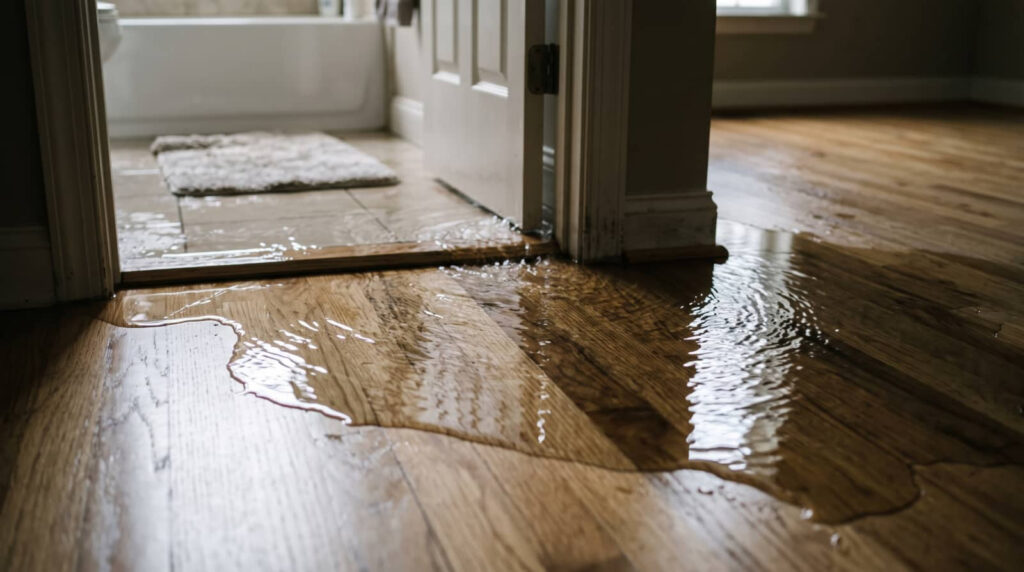
When floodwater enters your home, you need to act fast because every minute increases the risk of structural damage, electrical hazards, and mold growth.
You should shut off power if it’s safe, document damage for flood insurance, and start removing water right away. Open doors, lift belongings, and move salvageable items to a dry area.
Your walls, flooring, and insulation can weaken quickly, so speed matters. If you wait, you’ll face more repairs and higher costs.
Work with your family or neighbors so no one handles the cleanup alone.
Use preventive measures now: seal gaps, store valuables higher, and keep emergency supplies ready.
Fast cleanup protects your home, cuts losses, and helps your household recover together.
How Flood Water Leads to Mold
Floodwater doesn’t just damage surfaces; it creates the damp conditions mold needs to take hold fast. You’ll see mold growth start in porous building materials when moisture control fails.
Wet drywall, insulation, and wood stay saturated, and without strong air circulation, humidity levels rise above safe limits. That’s when spores spread into every hidden cavity.
You need prevention strategies right away: remove standing water, dry materials quickly, and keep indoor humidity low.
If you belong to the crew handling the cleanup, use protective gear and monitor health risks from exposure.
Effective remediation techniques target both the water source and the damp structure, so you stop mold before it roots deeper and threatens your home’s air quality.
What Delayed Cleanup Can Cause
If you delay cleanup, water keeps soaking into framing, drywall, flooring, and insulation, and the damage escalates fast.
Your delayed response can weaken structural integrity, warp materials, and create hidden pockets of moisture that invite health risks for everyone in the home.
You’ll also face long term costs as repairs grow more complex and invasive.
Insurance implications can follow if you wait too long to document and mitigate the loss, and that can reduce claim support.
The emotional distress hits hard when your safe space starts to feel unstable and unfamiliar.
If you care about keeping your place solid, clean, and valued, act quickly.
Delays don’t just increase damage; they can lower property value and make recovery harder for your whole household.
How Quick Water Removal Limits Damage
You need rapid water extraction to stop moisture from spreading into floors, walls, and insulation.
Every minute counts, because standing water keeps saturating structural materials and weakens them fast.
If you remove it quickly, you limit damage and reduce the chance of costly repairs.
Rapid Water Extraction
Swift water extraction starts limiting damage the moment crews remove standing water, because every hour of delay lets moisture soak deeper into flooring, drywall, insulation, and structural materials.
You need a fast emergency response so your space doesn’t become harder to restore. In practice, trained teams use powerful water extraction equipment to pull water from carpets, subfloors, and hidden pockets before it spreads.
That speed helps you protect your home, your routine, and the people who rely on that space. When you act quickly, you join a prepared community that treats flood loss as an urgent, solvable problem.
Don’t wait for water to settle in; immediate removal gives you the best chance to cut losses, reduce disruption, and move toward recovery with confidence.
Preventing Structural Saturation
Once water seeps past the surface, it can saturate framing, subfloors, insulation, and wall cavities fast, so rapid removal is critical to stop hidden structural damage.
You need to act before moisture retention spreads through pores, joints, and fasteners, because trapped water weakens structural integrity from the inside out.
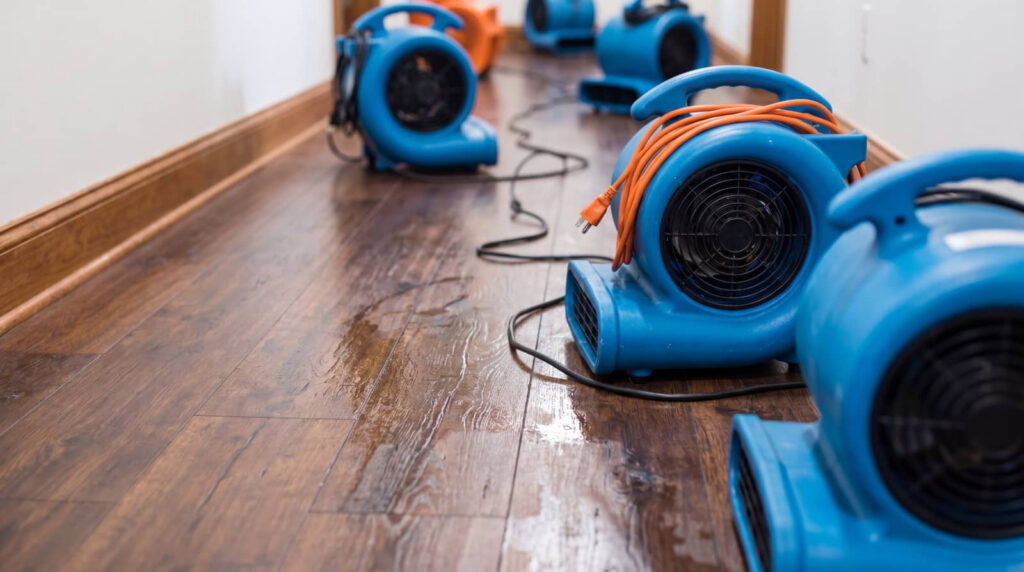
Use extraction, air movement, and dehumidification together, and keep monitoring damp materials until readings drop to safe levels.
When you move quickly, you protect your home and your crew from rot, swelling, corrosion, and mold.
That’s how you keep the structure sound and reduce repair costs.
Stay alert, stay coordinated, and don’t let soaked materials sit long enough to become a bigger problem for your team or your property.
How to Stop Mold After Flood Damage
You need to dry all affected areas fast, because mold can start growing within 24 to 48 hours after flood exposure.
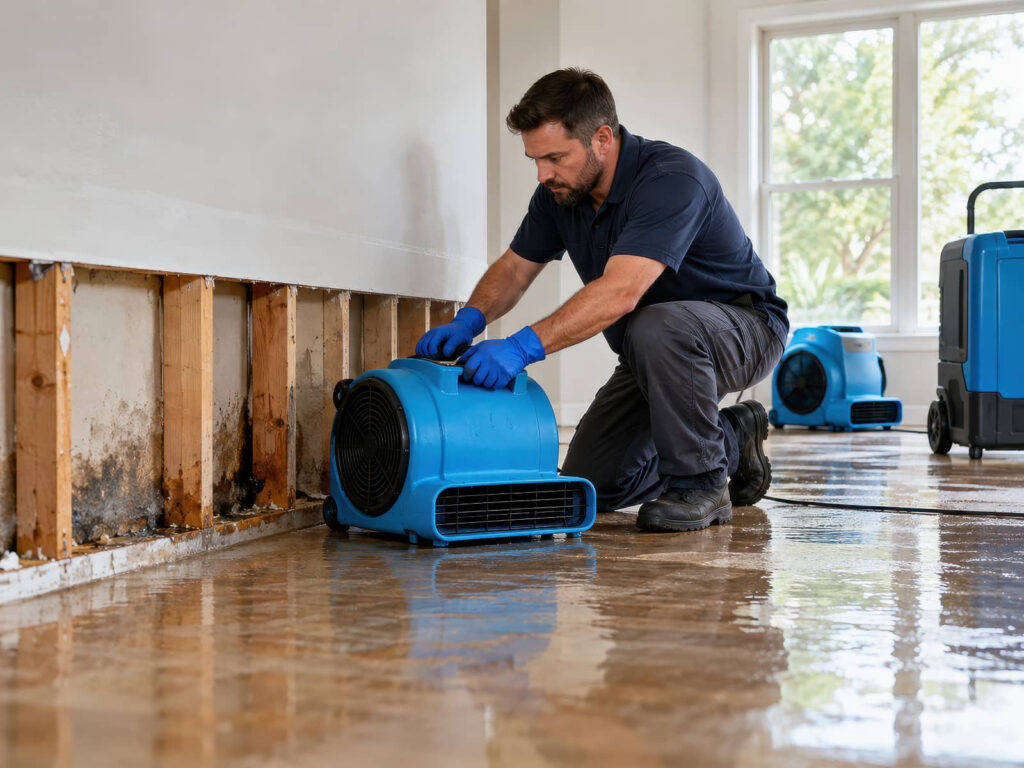
Remove any damaged drywall, insulation, carpet, or porous materials that hold moisture and can’t be fully restored.
Then disinfect hidden wet spaces behind walls, under flooring, and inside cavities so trapped moisture doesn’t trigger mold growth.
Dry Affected Areas Quickly
Drying the affected areas fast is one of the most effective ways to stop mold from taking hold after flood damage.
You need to move air immediately with fans, open windows if outdoor humidity’s low, and use dehumidifiers to pull water from walls, floors, and framing.
Focus on air circulation techniques that reach corners, closets, and under cabinets, because trapped moisture fuels growth.
Pair that with moisture control methods like monitoring humidity and adjusting equipment until surfaces feel dry to the touch.
Act now, because every hour matters when your home’s safety and comfort are on the line.
When you dry quickly, you protect your space, reduce contamination risk, and help your household get back to normal together.
Remove Damaged Materials
Tear out and discard anything porous that floodwater has soaked, because these materials can keep feeding mold long after the surface looks dry.
You need to move fast with damaged materials like carpet, padding, drywall, insulation, and swollen particleboard. Wear gloves, eye protection, and a mask, then use controlled removal processes so you don’t spread debris through the home.
Cut back wet wallboard at least 12 inches above the visible water line, and bag every piece immediately. If framing, subflooring, or trim stays soft, stained, or crumbles, remove it too.
Work room by room so you and your crew can stay organized and protect each other. Clear access now, because every hour you leave compromised material in place gives mold another chance to take hold.
Disinfect Hidden Moisture
Once visible debris is gone, treat hidden moisture as a contamination risk, because damp cavities can keep feeding mold even when surfaces look clean.
You need to open wall bottoms, lift trim, and check insulation, subfloors, and duct chases. Use meters and airflow to locate hidden moisture fast. Then disinfect surfaces with an EPA-registered solution, following dwell time exactly.
- Remove wet porous material.
- Dry framing and cavities aggressively.
- Disinfect surfaces after cleaning grime.
- Recheck humidity until it stays under 60%.
Act now, because mold can spread in a day and weaken your home’s air quality.
When you work with your crew or contractor, insist on documentation, so everyone stays aligned and your space gets safe, dry, and ready for repair.
Why Drying Walls and Floors Matters
When floodwater soaks into walls and floors, you need to dry them fast because trapped moisture can keep spreading damage long after the water is gone.
You protect your home by stopping hidden dampness before it weakens framing, swells flooring, and feeds odor or decay.
Start with a moisture assessment so you can map wet zones and track progress.
Then use targeted wall treatment to pull out water from drywall, trim, and insulation before those materials break down.
Dry floors from the top and below, keeping airflow steady and surfaces open.
When you act quickly, you help your space recover cleanly and stay safe for everyone who belongs there.
When to Call Flood Damage Experts
If floodwater has reached wiring, insulation, subfloors, or structural framing, you should call flood damage experts right away.
You’re protecting your home and keeping your crew informed through a fast flood assessment, before hidden moisture spreads.
Call immediately if you see:
- Sagging ceilings or warped floors
- Musty odors after water recedes
- Electrical outlets, panels, or appliances wet
- Contaminated water near living spaces
You’ll also need expert documentation for insurance claims, since delays can weaken your case.
When you act now, you stay in control, reduce risk, and join the homeowners who respond quickly and smartly.
Don’t wait for visible damage to grow; structural moisture can move fast and quietly.
How Emergency Restoration Protects Your Home
Emergency restoration protects your home by stopping water damage before it spreads into framing, drywall, flooring, and electrical systems.
You get immediate extraction, moisture mapping, and structural drying, which cuts hidden decay and mold growth. Technicians isolate affected rooms, remove saturated materials, and apply restoration techniques that stabilize your property fast.
This protects home safety by reducing slip hazards, electrical risks, and air quality problems. You also gain clear documentation for insurance and a faster path back to normal.
When you act quickly, you join a prepared group of homeowners who don’t wait for damage to worsen. Fast response helps you preserve value, limit repairs, and keep your home secure, dry, and livable.
Frequently Asked Questions
Can Flood Insurance Cover Mold Remediation Costs?
Yes, your flood insurance can cover mold remediation costs, but only if your policy includes insurance coverage and you act fast to stop mold growth. You’ll protect your home, your people, and your claim.
How Long Can Furniture Stay Wet Before Permanent Damage Occurs?
Furniture can start taking permanent damage within 24 to 48 hours. You should get a moisture assessment fast and begin furniture restoration immediately, so you don’t lose structural integrity, finish, or join your recovery community.
What Hidden Electrical Risks Remain After Floodwater Recedes?
Even after waters retreat, hidden sparks can lurk like sleeping snakes in your walls. You’ve got electrical safety risks from soaked outlets, corroded panels, and trapped water damage; shut power off, inspect fast, and protect your crew.
Are Contaminated Floodwaters Safe to Touch During Cleanup?
No, you shouldn’t touch contaminated floodwaters during cleanup. You face floodwater hazards, including sewage, chemicals, and pathogens. Protect personal safety with gloves, boots, and disinfectant, and avoid skin contact, cuts, or ingestion.
Can Salvaged Belongings Be Disinfected After Sewage Exposure?
Yes, you can disinfecting belongings after sewage cleanup, but you’ll need to treat porous items as contaminated, use EPA-registered disinfectants, and discard damaged textiles. You’ll protect your space, health, and recovery faster.
Recap
When floodwater enters your home, it is like a silent thief in the night, stealing strength from walls, floors, and air. You need to act fast, remove standing water, and dry hidden moisture within 24 to 48 hours to stop mold from taking root. If you wait, damage spreads and costs climb. Call flood damage experts quickly, protect your structure, and keep your home safe, healthy, and worth restoring.