Contents
A burst pipe can soak a room in minutes, but the real danger often starts overnight. You need to shut off the water, cut power to the wet area, and move belongings fast before moisture spreads into walls and subfloors. A water damage crew can then map hidden dampness, extract water, and slow mold growth before it takes hold. What happens in those first 24 hours can decide the size of the repair.
Key Takeaways
- Shut off the water supply immediately and cut power to affected areas to stop further damage and reduce safety risks.
- Remove standing water within 24 hours using towels, pumps, or wet vacs to limit swelling, warping, and deeper saturation.
- Move furniture, rugs, and belongings out of wet areas and document damage with photos for insurance claims.
- Use moisture meters and thermal scans to find hidden water in walls, floors, and subfloors before mold begins.
- Call a water damage crew quickly for assessment, drying, and monitoring if wet spots, odors, or humidity persist.
What to Do in the First 24 Hours After Pipe Damage?
In the first 24 hours after pipe damage, you need to act fast to limit structural damage and mold growth: shut off the water supply immediately, cut power to affected areas if water is near outlets or appliances, and begin removing standing water as soon as it’s safe.
Your emergency response should focus on immediate actions that protect your home and keep your family safe. Move belongings from wet zones, document damage for insurance, and inspect visible walls, flooring, and ceilings for new moisture.
Open windows if weather allows and use fans only after electrical hazards are cleared. Stay organized, stay calm, and work together so you don’t miss critical details.
When you handle this first day well, you join the group of homeowners who stop damage before it spreads.
How to Stop Water From Spreading Fast
As soon as you spot active water intrusion, you need to contain it before it travels farther through flooring, walls, and framing.
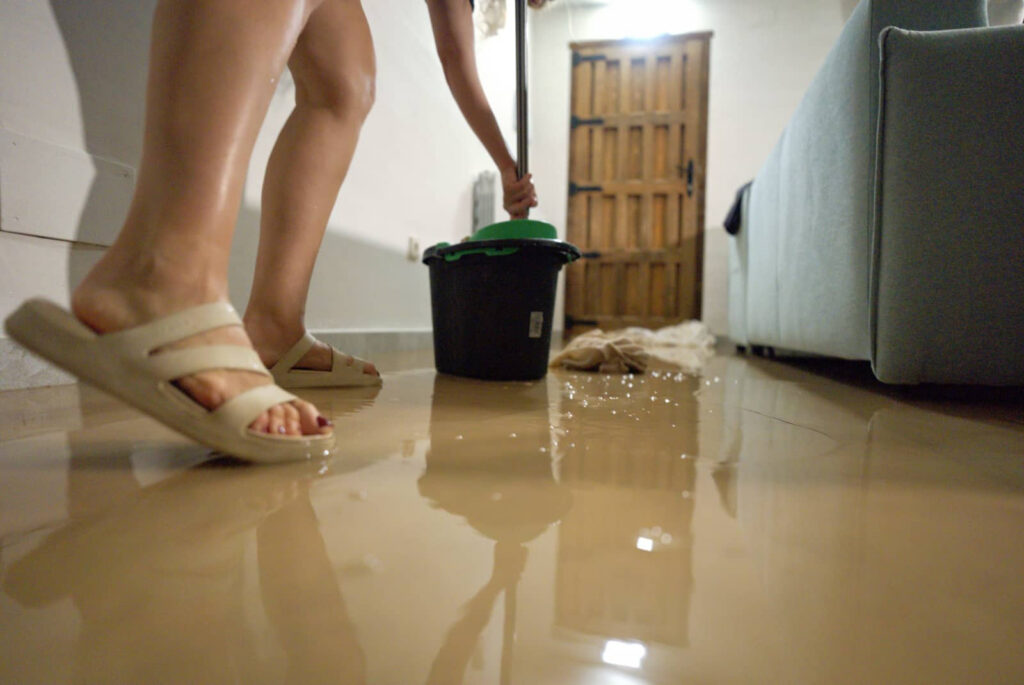
Shut off the source if you can do it safely, then place towels, absorbent pads, or temporary water barriers around the wet zone. Move rugs, boxes, and furniture out fast so you don’t trap moisture against surfaces.
Use plastic sheeting, tape, or weighted barriers to direct runoff into a bucket or pan. Keep emergency kits stocked with gloves, tarps, flashlights, and extra towels so you can react without delay.
If water keeps spreading, isolate the area and keep foot traffic off saturated floors. You’re not overreacting; you’re protecting the structure, cutting cleanup time, and keeping your home steady for everyone inside.
What a Water Damage Crew Does First
When you call a water damage crew, they’ll first do a rapid damage assessment to identify the affected areas and prioritize the response.
They’ll shut off the water source immediately to stop further intrusion and limit structural damage.
Then they’ll use a moisture detection scan to find hidden water so they can start extraction and drying without delay.
Rapid Damage Assessment
Before any drying equipment comes out, the crew makes a rapid damage assessment to stop further loss and map the scope of the water intrusion.
You’ll see them move fast through the affected rooms, checking floors, walls, baseboards, and hidden cavities for saturation. This damage evaluation guides the initial response, letting the team rank hazards, note affected materials, and identify where moisture has traveled.
They use meters, thermal scans, and direct inspection to separate wet from salvageable areas, so you know exactly what needs attention. In those first minutes, they document conditions, protect belongings, and create a clear action plan.
That quick read of the scene keeps your home from taking on more damage and helps your crew work as one focused unit.
Water Source Shutoff
The crew’s first move is to stop the water at its source, because every minute the line stays active increases damage. You’ll see them locate the shutoff valve fast, confirm the correct line, and turn it off without hesitation.
If the main valve won’t close, they’ll follow emergency procedures and isolate the affected branch or fixture. This isn’t guesswork; it’s controlled action that protects your structure, your belongings, and your team’s next steps.
Once the flow stops, the crew verifies pressure is gone, checks for continued discharge, and secures the area so no one accidentally reopens the line. You’re not dealing with this alone—trained responders move with you, making the scene safe and ready for fast water removal before conditions worsen further.
Moisture Detection Scan
With the source shut off, the crew moves into a moisture detection scan to find where water has traveled, because visible puddles never tell the full story.
You’ll see them use scan technology to check drywall, trim, subfloors, and insulation for hidden saturation. They don’t guess; they confirm readings, mark affected zones, and build moisture mapping that shows the spread from the pipe break.
This step matters because trapped water can keep damaging materials and feed mold growth fast. By identifying wet areas early, the team can target extraction and drying where it counts most.
You stay informed, your home stays protected, and the crew works as one to stop further loss and start recovery right away.
How Fast Water Removal Prevents Mold and Rot
Prompt water removal stops moisture from soaking deeper into drywall, flooring, and framing, which cuts off the damp conditions mold needs to grow.
You protect your home’s structure fast, and you strengthen mold prevention before spores can colonize hidden cavities.
When you act within hours, you limit swelling, warping, and stain spread, and you support rot mitigation in wood members and subfloors.
Moisture trapped too long feeds decay, weakens fasteners, and raises repair costs.
Quick extraction also keeps humidity from climbing, so surrounding materials dry more predictably.
If you want your space to stay safe and sound, treat every minute as critical.
Fast response isn’t just damage control; it’s how you keep your home in the right condition for you and your family.
What Happens During Water Removal
During water removal, technicians first stop the source, then extract standing water with pumps, vacuums, and suction tools.
You’ll see them map affected areas, check flooring and walls, and choose the right water extraction method for your materials. They move quickly, because every minute matters.
After visible water is gone, they inspect hidden pockets behind trim, under cabinets, and inside wall cavities.
Next comes moisture control: they position air movers, dehumidifiers, and meters to pull dampness down to safe levels.
You stay informed through each step, so you know what’s drying, what’s salvageable, and what needs extra attention.
This process protects your home, supports faster recovery, and helps your crew restore a clean, stable environment without unnecessary disruption.
How Burst Pipe Damage Gets Worse Overnight
Once a pipe bursts, water doesn’t stay where it started; it spreads into flooring, baseboards, insulation, and wall cavities, then keeps soaking materials overnight.
As pipe pressure drops, more water can escape until the supply is shut off, and every minute adds to cleanup time.
In the dark, nighttime hazards increase because you may not see slick floors, weakened drywall, or water moving into hidden spaces.
You’re not dealing with a small puddle; you’re dealing with active damage that can travel through your home.
Acting fast protects your space, your routine, and your crew of loved ones.
Shut off water, limit traffic, and call for 24-hour removal before the problem gets harder to control.
Signs Moisture Is Still in Your Walls
How do you know the walls are still wet after pipe damage? Check for cool spots, soft drywall, and a musty odor that lingers after drying.
You may notice wall discoloration, bubbling paint, or faint rings spreading outward. If humidity levels stay high in the room, moisture is still trapped inside the cavity.
Press gently near baseboards and outlets; spongy resistance means the wall hasn’t fully dried.
Listen for subtle crackling or see condensation returning on cool surfaces.
Don’t ignore peeling seams or warped trim, because those signs often show hidden water.
When you spot these clues, act fast with your crew and keep the area ventilated so everyone stays ahead of secondary damage.
When to Call Water Damage Repair Experts
If you see visible water intrusion, you need water damage repair experts to assess the source and stop further spread.
If moisture keeps showing up after drying, call immediately because hidden saturation can keep feeding mold and corrosion.
If you notice sagging drywall, warped framing, or soft flooring, treat it as a structural risk and get professional repair now.
Visible Water Intrusion
A spreading stain on drywall or pooling water along baseboards means the leak has already moved beyond the pipe and into your building materials. You need water damage repair experts now, before structural layers start to fail.
Fast water detection helps locate the source, while moisture mapping shows where water has traveled behind finishes.
- Shut off the supply and keep everyone clear of the area.
- Document the visible intrusion so your team can trace the path.
- Call for immediate extraction and drying, not a wait-and-see approach.
When you act quickly, you protect your home and stay part of a crew that handles damage the right way.
Visible water isn’t a warning; it’s proof that the problem has already escalated.
Persistent Moisture Signs
Wet spots that keep returning, peeling paint, musty odors, and dampness in the same area mean water is still present behind the surface. You can’t ignore these moisture indicators, because trapped water keeps feeding the problem even after the visible spill is gone.
Check nearby surfaces, baseboards, and flooring for softening or coolness, and monitor humidity levels with a meter if you have one. If readings stay elevated or odors come back after drying, call water damage repair experts right away.
They’ll trace hidden moisture, use professional extraction and dehumidification, and help you protect your home with the rest of us who act fast. Quick response reduces cleanup time and keeps you from missing subtle warning signs.
Structural Damage Risks
When water reaches structural materials, it can weaken framing, swell subfloors, warp drywall, and compromise insulation faster than surface drying suggests. You can’t rely on touch alone; hidden saturation threatens structural integrity and creates long term effects that get expensive fast.
Call water damage repair experts if you notice:
- Sagging floors, sticking doors, or cracked trim.
- Soft drywall, bubbling paint, or a musty odor.
- Water near load-bearing walls, beams, or electrical runs.
They’ll measure moisture, open trapped cavities, and stop decay before your home’s support system shifts.
If you’re part of a neighborhood recovering together, acting quickly protects your space and everyone’s peace of mind. Fast intervention keeps repairs smaller, safer, and far less disruptive to your routine.
Frequently Asked Questions
Can I Stay in My Home During Water Removal?
You can stay only if crews confirm water safety and you can maintain home comfort; otherwise, leave fast. Active drying, contaminated water, and electrical hazards make your home unsafe, so follow technicians’ guidance immediately.
Will Insurance Cover 24-Hour Water Removal Services?
Yes—your insurance might cover it, but first check the details. You’ll need to review insurance policies, coverage limits, and exclusions fast. Act now, document damage, and you can protect your home and claim.
How Much Does Emergency Water Removal Usually Cost?
You’ll usually pay $500 to $3,000 for emergency services, depending on water damage extent, extraction speed, and drying needs. Act fast, and you’ll protect your space, reduce losses, and feel supported throughout cleanup.
Do I Need to Replace Drywall After Pipe Damage?
Yes—you’ll likely need to replace drywall if it’s swollen, crumbly, or stays wet. Get a drywall assessment fast; it’s better to act now than let problems snowball. Quick removal supports mold prevention and your home’s safety.
How Long Does Drying Equipment Need to Run?
You’ll usually run drying equipment 3-7 days, depending on drying time and equipment efficiency. Check moisture daily, adjust airflow, and keep areas sealed; you’re not alone—fast, consistent action helps protect your home and crew.
Review
When a pipe bursts, you need to move fast or water can spread like ink through a paper towel. Shut off the source, protect power, and clear standing water right away. The first 24 hours are your best chance to stop mold, rot, and hidden moisture from taking root. Bring in water damage experts quickly so they can dry, detect, and restore before the damage settles in and costs climb.