Contents
When floodwater hits your property, you need a response that starts right away, not hours later. 24/7 flood damage restoration gives you emergency water removal, moisture assessment, drying, dehumidification, and sanitation at any time of day. It’s designed to limit structural damage, reduce mold risk, and protect your belongings. But the first few steps matter most, and what happens next can determine how much can still be saved.
Key Takeaways
- 24/7 flood damage restoration is emergency water cleanup and drying available any time, day or night.
- It starts with rapid assessment, water extraction, and shutting off hazards like electricity or leaking utilities.
- Technicians place air movers and dehumidifiers to remove moisture and prevent structural damage.
- Contaminated water is treated as hazardous, requiring protective gear, disinfection, and safe disposal.
- Fast response helps stop mold growth, protect materials, and shorten the overall recovery process.
Why Flood Damage Needs Immediate Response
When floodwater enters your property, every minute counts because moisture begins damaging materials immediately and can quickly create larger structural and health risks.
You need fast action to limit flood impact on drywall, insulation, flooring, and electrical systems before deterioration spreads.
Standing water also encourages microbial growth, which can make your space unsafe for your household and increase repair complexity.
With solid emergency planning, you’ll know who to call, what areas to secure, and how to reduce secondary damage while you wait for help.
Acting quickly helps protect your property value, shortens recovery time, and keeps your team of responders focused on the most urgent hazards.
In a crisis, prompt response isn’t optional; it’s the standard that helps you regain control.
What 24/7 Flood Restoration Includes
24/7 flood restoration typically starts with emergency water extraction, moisture assessment, and site stabilization to stop further damage as soon as crews arrive.
You’ll then get a detailed flood assessment that maps affected materials, identifies hidden moisture, and guides the restoration plan. Teams document damage, isolate unsafe areas, and set up drying equipment to control humidity and protect structural components.
They also monitor conditions regularly so you know what’s happening and what comes next. This service includes cleaning, sanitizing, and addressing contaminated surfaces when needed, helping your property stay safe and habitable.
With coordinated water extraction and targeted mitigation, you’re not left guessing; you’re supported by a responsive process designed to reduce loss, restore function, and help you feel confident about recovery.
How Emergency Water Removal Starts
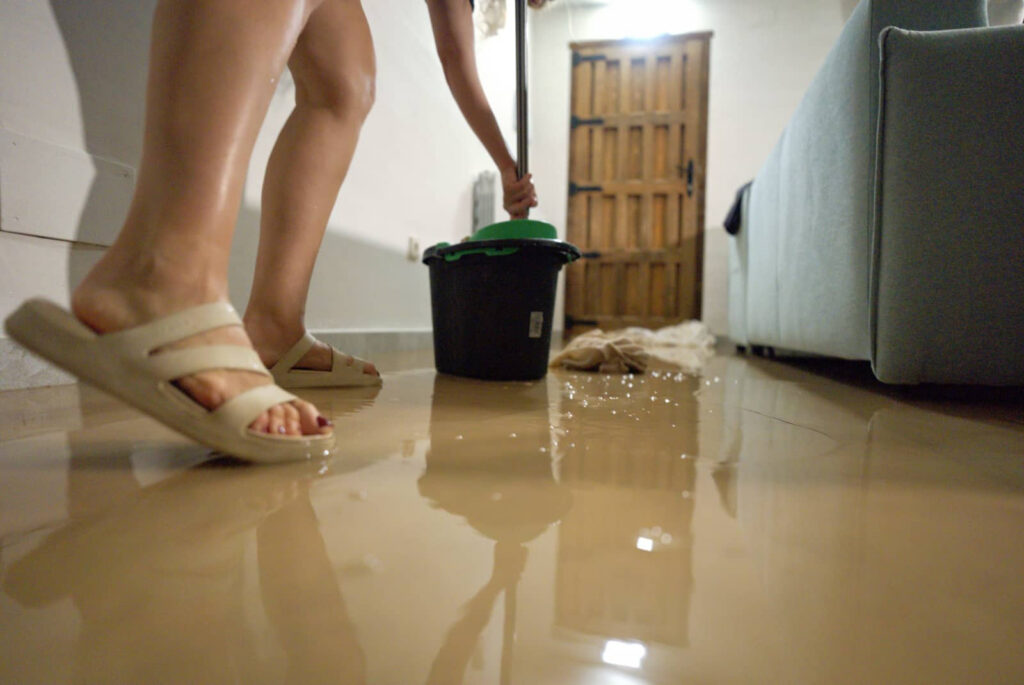
Emergency water removal starts with a rapid on-site assessment, where technicians locate the source of flooding, shut down affected utilities if needed, and identify the safest access points for extraction.
You’ll see them follow emergency protocols to protect your property and everyone inside, then document the water assessment so the response matches the damage.
Next, they map standing water, check affected materials, and choose the right extraction tools for each area.
This first pass helps you understand what’s happening and reassures you that trained crews are acting fast.
By beginning with clear priorities, they reduce spread, limit hazards, and prepare your space for the next phase of restoration.
You’re not left guessing; you’re guided through a structured, professional process from the first minute onward.
How Crews Dry and Dehumidify Your Property
Crews place drying equipment to target wet materials and maximize evaporation across affected areas.
They then perform moisture monitoring checks to track progress and confirm that hidden moisture is dropping to acceptable levels.
Drying Equipment Placement
Once the standing water is removed, technicians position air movers and dehumidifiers to create fast, controlled evaporation and pull moisture out of the structure.
You’ll see them place air movers along walls, under cabinets, and near damp flooring so airflow reaches hidden areas. They angle equipment to reduce dead zones and support even drying throughout your property.
Dehumidifiers sit where they can capture moisture-laden air and keep relative humidity in the target range. This careful layout improves drying techniques and boosts equipment efficiency, helping your home recover faster with less disruption.
Moisture Monitoring Checks
As drying equipment runs, technicians check moisture levels at regular intervals to confirm the structure is responding as expected.
You’ll see them use moisture detection tools to read walls, floors, and framing, then compare each result with earlier readings. This humidity assessment helps them verify whether hidden pockets still hold water and whether your property is drying evenly.
Crews document each check, so you can track progress and know the restoration plan is working. If readings stall, they adjust the drying strategy and inspect areas that need closer attention.
These monitoring checks protect your home from lingering moisture, which can lead to secondary damage. You get clear updates, steady oversight, and a process designed to keep your space on track toward recovery.
Dehumidification And Airflow
To dry your property efficiently, technicians pair dehumidifiers with controlled airflow so moisture leaves materials instead of settling back into the structure.
You’ll see crews position equipment to create balanced circulation, pulling humid air from wet zones and replacing it with drier air. Their dehumidification techniques target ambient humidity, while airflow management speeds evaporation from walls, floors, and contents.
This coordinated setup helps protect framing, drywall, and flooring from secondary damage and mold growth. You’re kept informed as technicians adjust settings based on readings, so the drying plan stays responsive.
With the right equipment layout, your property joins the restoration process faster, and you can feel confident that every area is drying evenly and professionally.
Cleaning Sewage and Contaminated Water
You must treat sewage and contaminated floodwater as hazardous, so crews wear protective equipment, isolate the affected area, and follow strict safety protocols.
They remove standing water with specialized pumps and extract contaminated materials to prevent further exposure.
After removal, they disinfect the surfaces and verify that no biohazard remains before restoration continues.
Sewage Safety Protocols
When floodwater contains sewage, contaminated water, or other biohazards, you need strict safety protocols before any cleaning begins. You should treat every affected area as unsafe and limit access to trained team members only.
Wear gloves, boots, eye protection, and respiratory protection to reduce health risks from bacteria, viruses, and airborne contaminants. You’ll also need to isolate the site, post warnings, and use approved sewage disposal methods for all waste and porous materials.
Never mix contaminated debris with household trash. Clean and disinfect tools after each use, and wash exposed skin immediately.
If you belong to a restoration crew, you must follow site-specific procedures, document hazards, and verify that all PPE fits properly before work starts.
Contaminated Water Removal
Before removal starts, stop the source of flooding if it’s still active and assess the water as contaminated until proven otherwise.
You’ll need trained technicians to isolate the area, wear PPE, and pump out sewage or gray water with sealed extraction equipment. They’ll identify contaminated water sources, remove standing liquid, and collect saturated debris for disposal under local regulations.
Next, they’ll scrub hard surfaces, apply EPA-registered disinfectants, and verify that hidden cavities, subfloors, and HVAC components aren’t spreading residue.
This process reduces health risks from bacteria, viruses, and chemical exposure while helping your space return to safe use.
When you work with a responsive restoration team, you get clear steps, faster containment, and the confidence that your property’s recovery is handled correctly.
How Flood Damage Repairs Walls and Floors
Floodwater can quickly compromise walls and floors, so repairs start with a thorough inspection to identify structural damage, trapped moisture, and contamination.
You’ll work with a team that applies flood repair techniques to stabilize framing, remove unsound materials, and restore safe surfaces. Wall restoration methods may include cutting out damaged drywall, replacing insulation, and treating exposed studs before reinstalling finishes.
For floors, technicians assess subfloor integrity, remove warped boards, and reset underlayment or tile as needed.
- Measure moisture levels
- Remove compromised materials
- Repair or replace framing
- Rebuild finished surfaces
You stay informed throughout, so you know what’s being restored and why. This approach helps your space return to a dependable condition with minimal disruption.
How to Prevent Mold After Flooding
Once the water is gone, you need to act fast to prevent mold from taking hold in damp materials and hidden cavities.
Begin with your mold prevention tips: remove wet items, open windows if weather allows, and run dehumidifiers to keep indoor humidity below 60%.
You should dry porous surfaces within 24 to 48 hours, because moisture, warmth, and poor airflow are key mold growth factors.
Check baseboards, wall voids, closets, and under flooring for trapped moisture, then continue drying until materials feel fully dry.
If you can’t verify dryness, don’t close spaces back up yet.
You’re not dealing with this alone; prompt, organized action helps protect your home, your air quality, and everyone who belongs there.
What Restoration Teams Handle on Site
Restoration teams arrive with the tools and training to stabilize the property and stop further damage. You’ll get on site assessments that map water intrusion, identify safety hazards, and document affected materials so your next steps are clear.
Their technicians use restoration techniques matched to your building’s needs, from moisture detection to selective material removal and sanitation.
- Inspect structural and electrical risks
- Measure hidden moisture in walls and floors
- Set containment for contaminated areas
- Record conditions for your insurance file
You stay informed because the team explains each finding in plain language and works with you like a partner. That approach helps you feel included, supported, and confident while they handle the technical details on site with precision and care.
How 24/7 Flood Restoration Works
A 24/7 flood restoration service keeps your response moving day and night, so damage doesn’t sit and spread while you wait for business hours. You call, and the team logs your emergency contacts, asks about the source, and dispatches trained technicians fast.
They inspect standing water, moisture levels, and affected materials, then set up extraction, drying, and containment to limit secondary damage. You’ll usually get a clear action plan, equipment timeline, and documentation for your flood insurance claim.
Throughout the process, you stay informed as crews monitor humidity, remove unsalvageable materials, and verify dry conditions with meters. This coordinated workflow helps you act quickly, protect your property, and feel supported when everything feels overwhelming.
How to Choose a Flood Damage Expert
When you choose a flood damage expert, confirm they offer rapid response availability so water extraction and drying start immediately.
You should also verify certified restoration skills, since proper credentials indicate they can assess moisture, prevent secondary damage, and follow industry standards.
A qualified provider combines fast mobilization with technical expertise to protect your property and reduce recovery time.
Rapid Response Availability
Flood damage doesn’t wait, so you should choose an expert who can respond immediately and start mitigation fast. Quick arrival limits structural loss, mold growth, and secondary contamination, keeping your property safer and your recovery on track.
When you compare providers, verify 24/7 dispatch, average arrival time, and how they support emergency preparedness and insurance coverage documentation.
- Confirm live phone support, not voicemail.
- Ask for a response window.
- Check local crew availability after hours.
- Verify they can document conditions for claims.
You’ll feel more secure when your team moves as soon as water enters. A rapid-response expert coordinates extraction, containment, and reporting before damage spreads, helping you protect your space and stay aligned with your insurer’s requirements.
Certified Restoration Skills
Beyond fast arrival, you should confirm the team has certified restoration skills that match the severity of the loss.
Ask whether technicians have current credentials in water mitigation, mold control, and structural drying, and verify their certification processes with recognized industry bodies.
You’ll want experts who assess contamination, document moisture levels, and choose restoration techniques based on material type, saturation depth, and safety risks.
A qualified crew should explain its plan clearly, use calibrated equipment, and follow code-compliant procedures from extraction through sanitization.
This helps you feel confident you’re working with people who know how to protect your property and your community.
When you compare providers, look for ongoing training, insurance coverage, and proven experience with similar flood events.
Frequently Asked Questions
Does Flood Damage Restoration Cover Insurance Claim Assistance?
Yes, you’ll often get insurance claim assistance during the restoration process. You can expect documentation, damage estimates, and adjuster coordination, so you’re supported, informed, and connected throughout recovery after flood damage.
Can Belongings Be Salvaged After Severe Flooding?
Yes, some belongings can be salvaged after severe flooding. You’ll need swift salvage techniques and clear restoration priorities to save porous, precious, and personal items. Professionals assess damage, sanitize materials, and restore what’s still structurally sound.
How Long Does the Full Restoration Process Usually Take?
You’re usually looking at a flood restoration timeline of several days to weeks, depending on restoration process factors like water depth, material damage, drying needs, and contamination. You’ll often need inspections, extraction, drying, repairs, and finishing.
Are Emergency Restoration Services Available on Holidays?
Yes, you can usually reach emergency restoration services on holidays. You’ll benefit from holiday preparedness and rapid emergency response, so your property’s damage gets assessed, stabilized, and mitigated quickly, even when regular offices are closed.
What Should I Do Before the Restoration Team Arrives?
Shut off electricity, avoid standing water, and document damage first. Then take preventative measures: move valuables, ventilate if safe, and secure pets. Your initial safety comes first, and the restoration team will handle the rest.
Recap
When flooding strikes, you need swift, skilled support to stop damage from spreading. A 24/7 flood damage restoration team responds fast, removes standing water, dries damp materials, disinfects contaminated areas, and helps prevent mold growth. You get technical treatment, timely tracking, and thorough cleanup that protects your property’s structure and safety. By choosing a reliable restoration expert, you’re speeding recovery, reducing repair costs, and restoring your space with confidence and care.