Contents
Like a slow leak in a hidden wall, water damage can seem minor until it isn’t. You need to act fast because moisture spreads, weakens materials, and creates the conditions mold needs to grow. If you remove water quickly and dry the affected area right away, you reduce structural loss and health risks. The first few hours matter most, and what happens next can determine how much damage you’re really facing.
Key Takeaways
- Fast water removal prevents structural damage like swollen wood, warped drywall, and corroded metal fixtures.
- Quick drying stops hidden moisture from spreading into walls, floors, and insulation.
- Remediating within 24 to 48 hours helps prevent mold growth and health risks.
- Immediate action reduces repair costs by limiting the extent of damage.
- 24-hour restoration services help shut off the source, extract water, and speed recovery.
What to Do After Water Damage
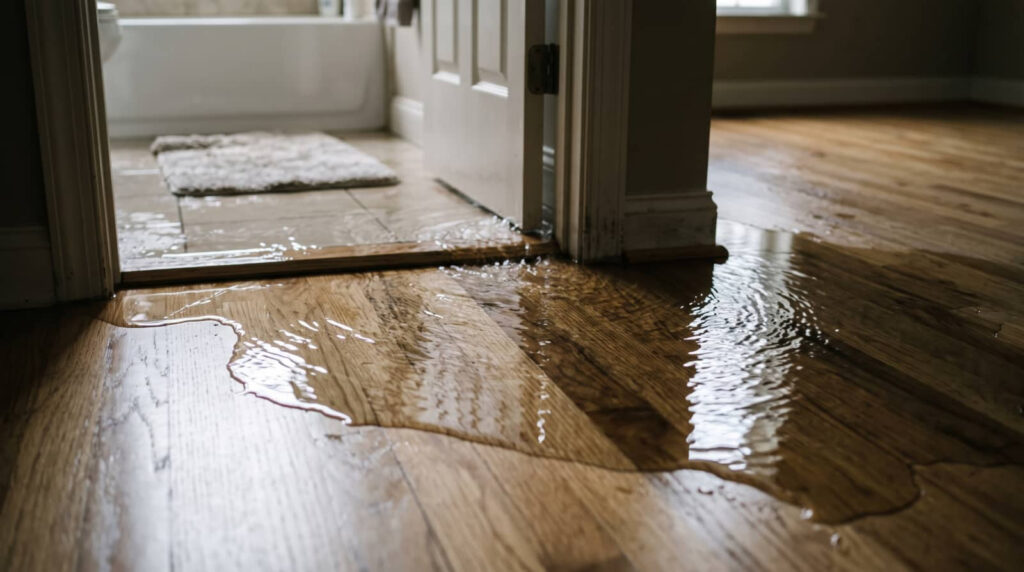
After water damage, act fast: shut off the water source if you can do so safely, cut power to affected areas, and document the damage before you start cleanup.
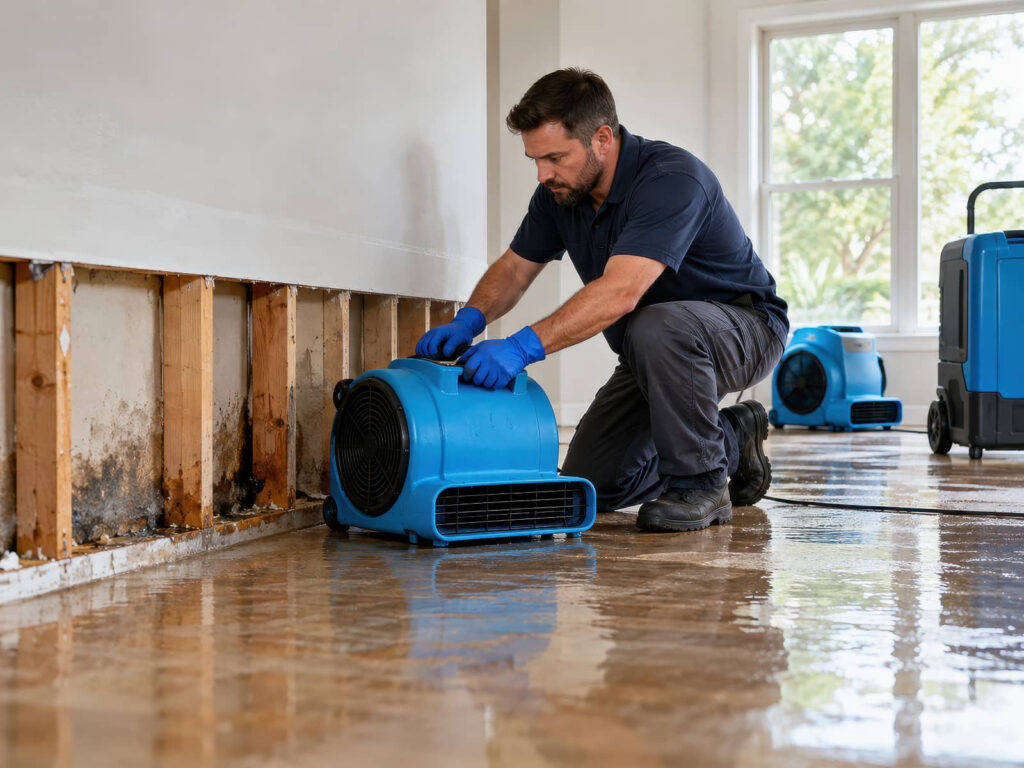
Then begin an emergency response by removing standing water, moving wet contents, and opening windows if conditions allow.
You should sort items into salvageable and unsalvageable groups, since clear records help with insurance claims.
Wear protective gear, and keep children and pets away from the area.
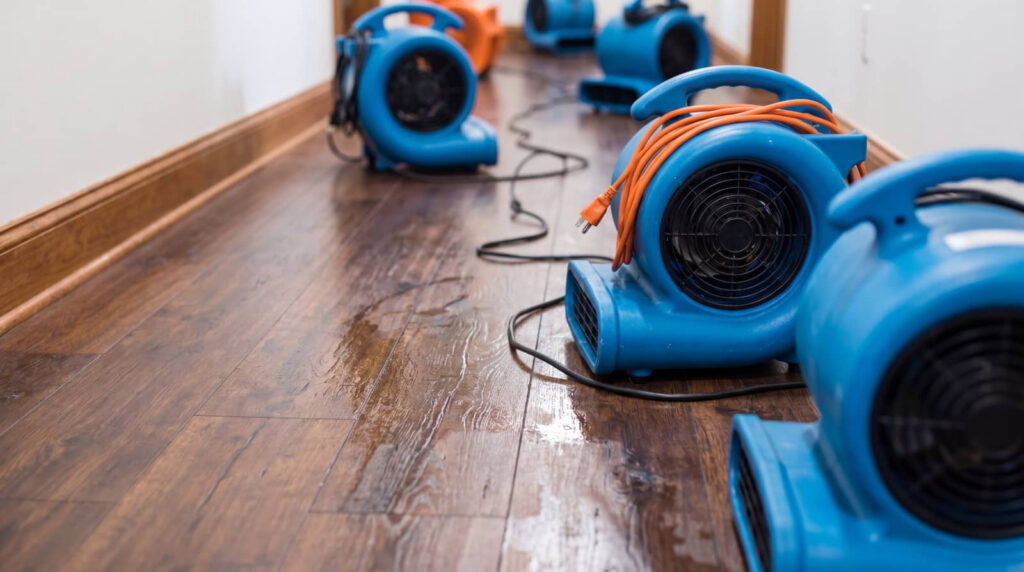
Use fans and dehumidifiers to stabilize the space, but don’t delay professional help if the damage is extensive or hidden.
How Burst Pipes Cause Mold
When a pipe bursts, water can soak drywall, insulation, flooring, and framing within minutes, creating the damp, dark conditions mold needs to grow. You’re not alone if you’re dealing with this; you can act fast and limit damage.
A burst pipe causes moisture to spread behind surfaces, where air can’t dry it out. That trapped water drives mold growth quickly, often within 24 to 48 hours.
- Moist materials stay wet.
- Hidden cavities trap humidity.
- Warm indoor air speeds spores.
- Structural damage widens the wet zone.
You should treat every soaked area as a risk point. The sooner you reduce moisture, the better your chances of protecting your home and your space.
How to Prevent Mold After Water Damage
To stop mold after water damage, you need to dry materials fast, remove anything too wet to save, and control indoor humidity before spores can take hold. You’ll protect your home and your people by acting with a clear plan.
Open windows if weather allows, run fans and dehumidifiers, and keep air moving through affected rooms. Check hidden spots: behind baseboards, under flooring, and inside cabinets.
Clean hard surfaces with a detergent solution, then dry them completely. Bag porous items that stay damp, because they can harbor growth.
This mold prevention routine works best when you track humidity control with a meter and keep levels below 60%. If you see staining, musty odor, or spreading spots, respond immediately so your space stays healthy and everyone feels safe.
Why Fast Water Removal Matters
Fast water removal matters because every hour of standing water raises the risk of structural damage, mold growth, and costly repairs.
You protect your home faster when you act on water extraction and moisture control right away. Quick response helps you keep your space safe, stable, and part of a resilient home.
It limits swelling in wood and drywall.
It reduces corrosion in metal fixtures.
It lowers the chance of hidden moisture pockets.
It supports faster drying of flooring and subfloors.
When you move fast, you help your home recover before damage spreads.
That’s how you stay ahead, protect your investment, and feel confident in the place you belong.
When You Need 24-Hour Restoration Help
If water damage happens after hours, you need 24-hour restoration help so you can stop the spread before it gets worse.
You’re not overreacting; moisture can wick into drywall, subfloors, and insulation within minutes, raising the risk of mold and structural damage.
A fast emergency response lets you shut off the source, extract standing water, dry hidden cavities, and document losses for insurance.
When you call trusted restoration services, you get a team that knows the process, explains each step, and helps you feel backed up, not alone.
That support matters when your home, business, and routine are on the line.
Don’t wait for business hours. Immediate action protects materials, reduces downtime, and gets you back to normal sooner.
Frequently Asked Questions
Can Hidden Water Damage Affect Electrical Systems?
Yes—hidden water damage can affect your electrical systems, so you need water detection fast. You can protect electrical safety by checking outlets, panels, and wiring early, which keeps you informed, safer, and confident.
How Long Does It Take Flooring to Dry Completely?
Most flooring materials dry in 24–72 hours, but some need a week. You’ll see drying times vary; 1 in 4 homes hides moisture longer than expected. Act fast, and you’ll stay confident with your crew.
Does Homeowners Insurance Cover Mold Remediation Costs?
Yes, you may have mold coverage if your insurance policies cover sudden water damage; you’ll need fast documentation and prompt remediation. Check exclusions, because delays can void claims and leave you exposed.
Can Water Damage Weaken a Building’s Foundation?
Yes, water damage can weaken your foundation by eroding soil, cracking concrete, and compromising foundation integrity. You’ll want to act fast, because long term effects can spread. You’re not alone—protect your structure now.
What Signs Indicate Water Seeped Behind Walls?
You’ll notice water stains, peeling paint, warped drywall, and musty odors. Isn’t that your wall warning you? You should inspect promptly, because hidden seepage can spread fast and compromise comfort, safety, and your home’s integrity.
Wrap-Up
When water hits your home, you can’t wait. The theory that “it’ll dry on its own” is usually wrong—moisture often hides in walls, floors, and insulation, where mold can start fast. You’ll protect your structure, indoor air, and belongings by removing water immediately and drying thoroughly. If burst pipes or flooding leave standing water, act now and call 24-hour restoration help so you can stop damage before it spreads.