Contents
A burst supply line under your kitchen sink can spread water across cabinets in minutes. You need to shut off the nearest valve or main supply first, then remove standing water with towels or a wet/dry vacuum, and document the affected area. After that, you should dry surfaces fast with fans and dehumidifiers before mold starts to form. The right sequence matters, and a single delay can change the outcome. These water damage mitigation steps help you respond in the right order.
Key Takeaways
- Shut off the water supply immediately to stop further leakage.
- Call a licensed plumber to repair the failed pipe, fitting, or seal.
- Remove standing water quickly with towels, pumps, or a wet/dry vacuum.
- Dry affected areas fast using fans, dehumidifiers, and open windows if conditions allow.
- Document damage and monitor moisture levels to prevent mold and hidden water damage.
Water Damage Mitigation Steps: Shut Off the Water and Stop the Leak
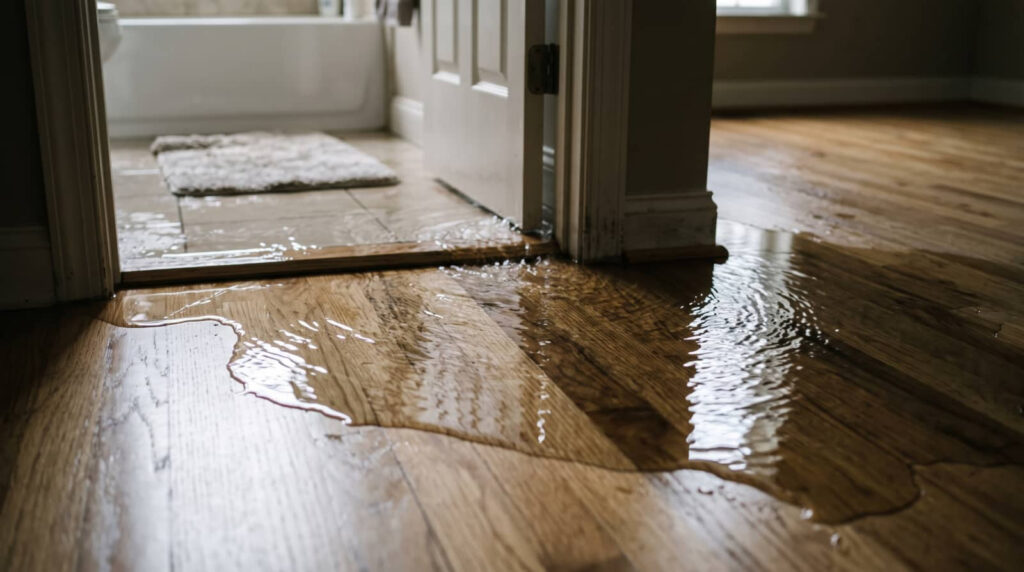
The first priority is to shut off the water supply and stop the leak at its source. You should locate the nearest fixture valve or main shutoff and close it fully. If you can’t isolate the source, call a licensed professional immediately.
Perform quick leak detection by tracing wet lines, listening for active flow, and checking visible joints, supply tubes, and appliance connections. Once you’ve contained the issue, document the damaged area and note the time you found it.
Then schedule plumbing repairs that address the failed pipe, fitting, or seal without delay. Acting fast protects your home, limits structural damage, and keeps your household included in a safe recovery plan.
Clear communication with everyone in the home helps you coordinate the response and avoid repeated exposure to water.
Remove Standing Water Quickly
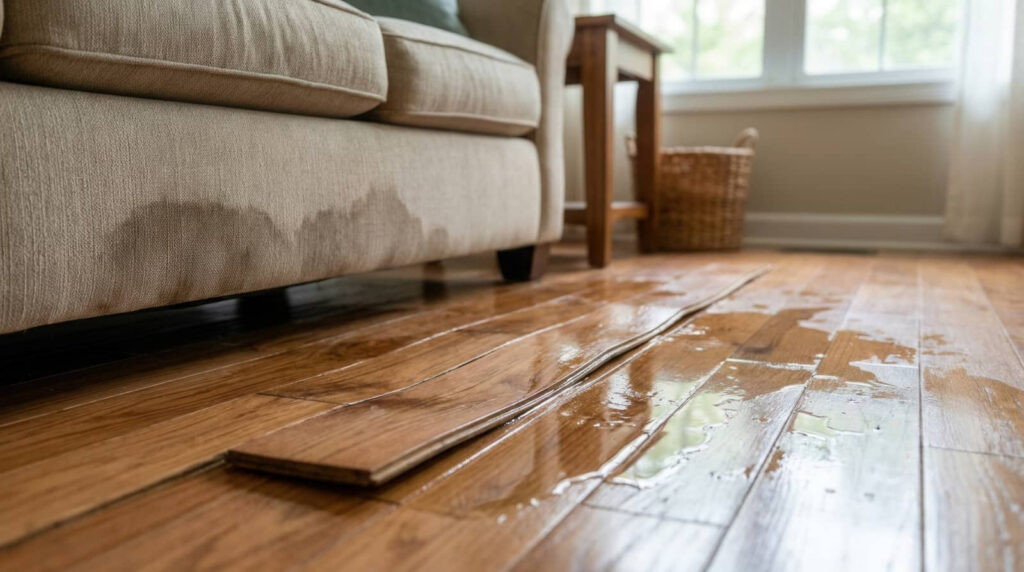
Get standing water out as quickly as possible to reduce absorption into flooring, drywall, and subflooring. You should begin water extraction immediately, using towels, a wet/dry vacuum, or professional equipment matched to the affected depth and area.
Evaluate pump options for larger volumes, because a submersible pump can move water faster than manual methods and limit secondary damage. Move carefully, keep power off in wet zones, and work from the edges toward the center so you don’t spread contamination.
- You’ll protect structural materials from deeper saturation.
- You’ll reduce the risk of costly repairs later.
- You’ll join a prepared, proactive group of homeowners.
Document the waterline, note affected rooms, and remove loose items so you can clear access. Fast action helps you stay in control and supports a cleaner recovery.
Dry Your Home to Prevent Mold
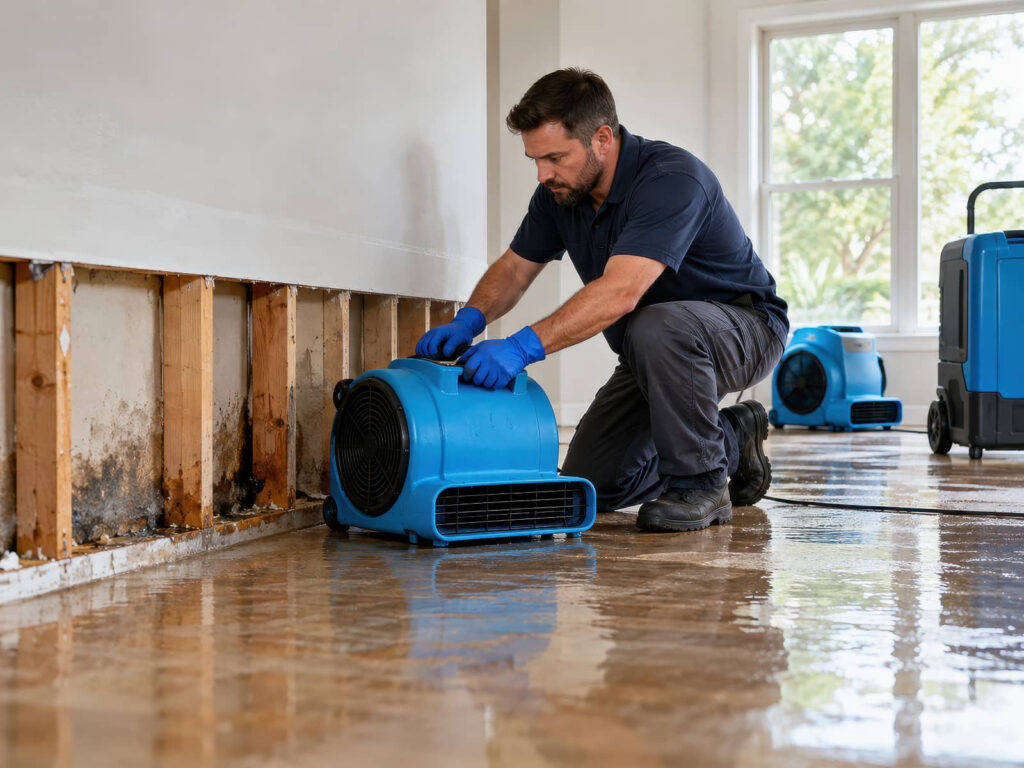
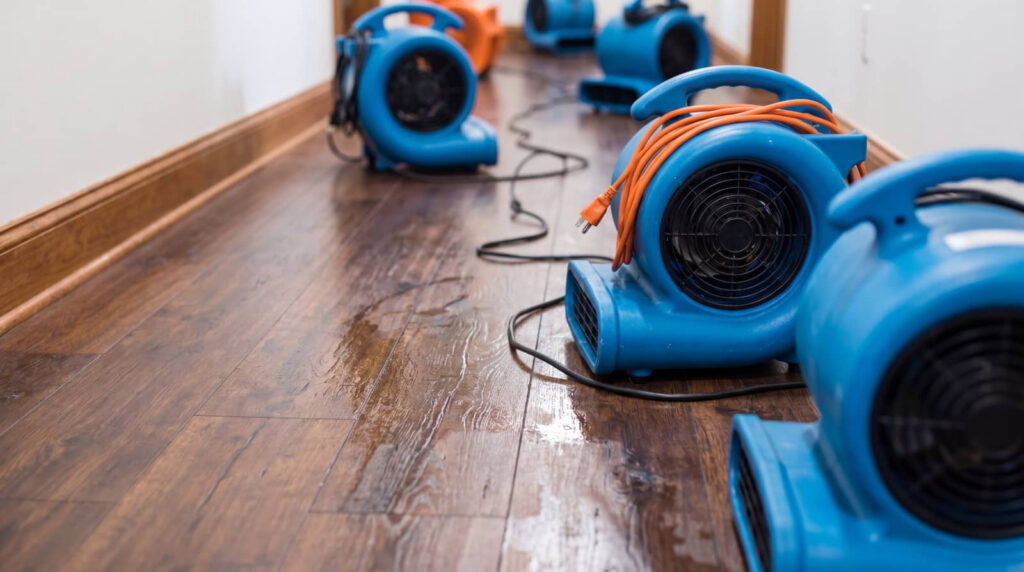
Dry every affected surface as quickly as possible to stop moisture from settling into framing, insulation, and finishes and to reduce mold growth risk.
You should open windows if outdoor conditions help, run dehumidifiers, and use high-velocity fans to promote evaporation.
Remove baseboards, upholstery cushions, and wet rugs so hidden areas dry fully.
Check subfloors, wall cavities, and HVAC registers, because trapped dampness can undermine mold prevention.
Monitor indoor humidity with a hygrometer and keep it below 60% for effective moisture control.
Replace soaked drywall or insulation that won’t dry within 24 to 48 hours.
As you work, document drying progress and stay consistent; your home can recover faster when you act together with a disciplined, well-coordinated plan.
Frequently Asked Questions
How Do I Document Water Damage for Insurance Claims?
Take clear photos and video, note dates, affected areas, and damaged items, then complete a damage assessment. Keep receipts and repair estimates, and organize claim documentation so you can support your insurer’s review confidently.
When Should I Call a Professional Restoration Company?
Call a professional restoration company immediately if water’s been present over 24 hours; mold can begin in 24–48. You’ll need a water damage assessment to define the restoration timeline and protect your property.
Can Water-Damaged Drywall Be Saved or Must It Be Replaced?
You can sometimes save water-damaged drywall, but you’ll need drywall restoration techniques and moisture detection methods to confirm it’s structurally sound and fully dry; otherwise, you should replace it to prevent mold, warping, and hidden deterioration.
How Do I Safely Handle Contaminated Floodwater Cleanup?
You should wear personal protective gear, shut off power, ventilate the area, and remove solids with sealed bags. Disinfect surfaces, document contamination, and follow local floodwater disposal rules to keep your team safe.
What Items Should I Move to Protect Them From Further Damage?
Move furniture, electronics, documents, rugs, photos, medications, and heirlooms first. Use furniture elevation to keep pieces off wet floors, and place valuables in dry valuable storage so you’ll protect items from swelling, corrosion, and mold.
Recap
If you act fast, you can limit water damage and protect your home’s structure. Shut off the water at the nearest fixture or main valve to stop the leak. Remove standing water with towels or a wet/dry vacuum, and document the affected area. Then dry surfaces with fans and dehumidifiers while monitoring humidity. A stitch in time saves nine, and prompt mitigation helps you reduce mold risk and restore your home more efficiently.